
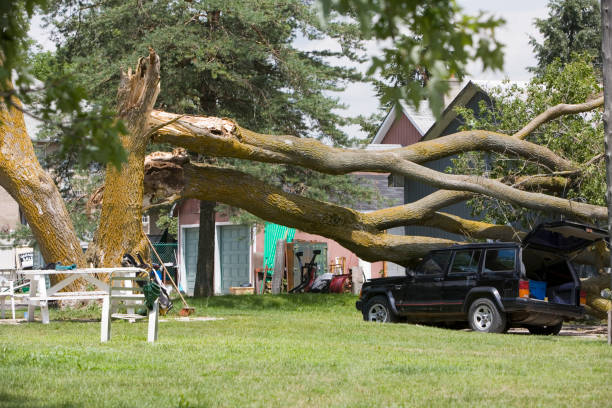
The serene enjoyment of your home can be abruptly overshadowed by the looming presence of a precarious tree on your neighbor’s land. Observing a leaning trunk, hearing ominous creaks in the wind, or noticing a proliferation of dead branches can trigger a deep-seated anxiety. The question of what to do when your neighbor’s tree looks dangerous is not merely one of arboriculture but of legal responsibility, diplomacy, and proactive protection. Navigating this situation effectively requires a blend of clear communication, understanding of legal principles, and documented diligence.
The foundational step, and often the most effective, is to initiate a polite and cooperative conversation with your neighbor. Approach them with concern rather than accusation, framing the issue as a shared problem that could impact both properties. It is prudent to assume they may be unaware of the hazard; they may not observe the tree from the same angle or with the same frequency as you. Present your specific observations—perhaps a large, cracked limb hanging over your roof or visible fungal growth at the base of the trunk. This initial conversation, if handled respectfully, can lead to a mutually agreeable solution, such as jointly hiring a certified arborist for an assessment. Maintaining a cordial relationship is invaluable, as property lines are permanent, and neighbors are long-term.
Should a direct discussion prove unproductive or if your neighbor refuses to acknowledge the risk, your actions must become more formal and documented. Sending a certified letter, with a return receipt requested, is a critical escalation. This letter should reiterate your concerns in clear, non-emotional language, describing the tree’s condition and the specific threat it poses to your home, vehicles, or other structures. The importance of this step cannot be overstated, as it creates a verifiable record that you have notified the tree’s owner of the dangerous condition. In many jurisdictions, this notice is the legal key that shifts liability. Prior to notification, the tree might be considered an “act of God” if it falls; after formal notice, the neighbor may be held responsible for any resulting damage due to their negligence in addressing a known hazard.
While the tree resides on your neighbor’s property, your rights and responsibilities have clear limits. You generally have the legal right to trim any branches or roots that cross over your property line, provided you do so without trespassing and do not cause fatal harm to the tree itself. However, when dealing with a potentially hazardous tree, this “self-help” remedy is often insufficient and risky. A compromised tree may react unpredictably to pruning, and improper cutting could accelerate its failure or make you liable for its death. Therefore, hiring a professional, insured arborist for any work is essential. Crucially, you cannot force your neighbor to remove a healthy tree simply because you dislike it, nor can you enter their property to remove the threat without their explicit permission. The core legal principle hinges on the tree’s condition, not its presence.
If a hazardous tree does fall, the aftermath is governed by insurance and established liability. Typically, your homeowner’s insurance policy would cover the damage to your property, regardless of whose tree caused it. Your insurer would then potentially seek reimbursement, or subrogation, from your neighbor’s insurance company if your neighbor was found negligent—that is, if they knew or should have known the tree was dangerous and failed to act. This process underscores why your earlier documentation is so vital. The fallen tree itself is usually the responsibility of the property owner upon whose land the trunk lies, meaning cleanup duties are divided by the property line.
Ultimately, addressing a threatening tree from a neighboring yard is a process that balances proactive dialogue with protective legal steps. Beginning with a friendly conversation preserves community harmony, while following up with formal notice safeguards your rights and property. By understanding that liability is often triggered by documented knowledge of the danger, you can move from anxious observation to informed action, ensuring that your sanctuary remains safe from the shadows cast by a failing giant.