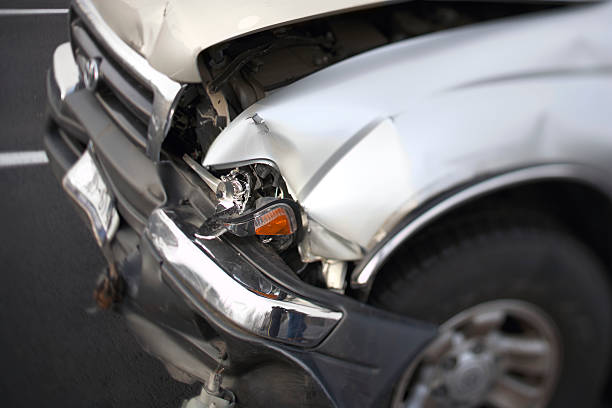
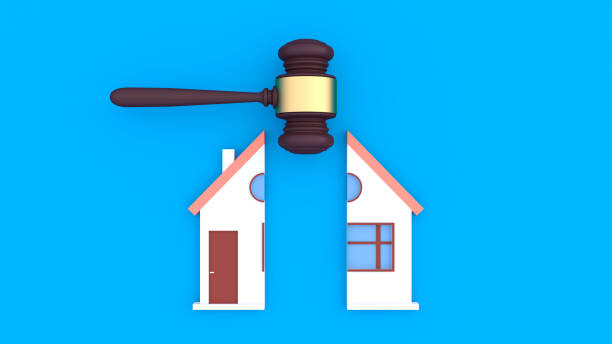
A hit-and-run crash does not have to involve another vehicle to cost you money. If a driver loses control and slams into your house, garage, fence, mailbox, or lawn, you are left with property damage and no driver to hold responsible. The same applies if the driver flees on foot after hitting a structure on your land. Your immediate reaction should not be panic, but a clear-headed sequence of steps that protect your right to compensation and prevent the damage from getting worse.
Start by checking for injuries inside your home. If the collision caused structural damage, the building may be unstable. Gas leaks, broken water pipes, or exposed electrical wiring create immediate safety hazards. Call 911 if there is any risk of fire, flooding, or collapse. The police report is also your official record that a hit-and-run occurred. Without it, insurance companies may treat the damage as an unexplained event, which could reduce or deny your claim. Give the dispatcher the exact address and describe what you see, including any vehicle debris left behind.
Once the scene is safe, document everything. Take photos and video from multiple angles showing the point of impact, the damage to your property, and any tire marks, skid marks, or scattered parts. If the driver left pieces of a bumper, headlight, or license plate, collect them and place them in a bag. These items help police identify the vehicle and support your insurance claim. Do not move or repair anything until you have thorough documentation. The adjuster needs to see the damage as it originally happened.
Contact your homeowners insurance as soon as possible. Most standard policies cover damage from a vehicle collision under the “vandalism” or “collision” portion of your dwelling coverage. However, there are caveats. If the driver is never found, and you do not have uninsured motorist property damage coverage on your auto policy, your homeowners deductible will apply. Typical homeowners deductibles range from $500 to $2,500. That is the amount you pay before insurance kicks in. If the damage is minor and below your deductible, you might decide to pay out of pocket rather than file a claim that could raise your premiums.
Your homeowners insurance will cover the repair or replacement of the structure itself, including siding, windows, doors, and the foundation. It also covers detached structures like garages, sheds, and fences that are listed on your policy. Landscaping, trees, and shrubs are often covered only up to a small limit, usually around five percent of your dwelling coverage. If a tree is destroyed, you may get only a few hundred dollars. If the driver plowed through your mailbox, that is typically covered under the same dwelling coverage, but check your policy’s “other structures” section.
One big mistake homeowners make is waiting too long to report the hit-and-run. Insurance policies require prompt notice. If you wait weeks, the company may argue that the damage could have been caused by something else, or that you made the situation worse by not securing the property. After a vehicle strike, you are responsible for mitigating further damage. That means boarding up a broken window, covering a hole in the roof with a tarp, and turning off water if a pipe is ruptured. Keep every receipt for emergency repairs, because your insurance should reimburse those temporary fixes.
If the driver hit your house and then fled, you also have the option to file a claim under your auto insurance policy’s uninsured motorist property damage coverage if you purchased it. This coverage is separate from homeowners and usually has a lower deductible. Not every state requires it, and not every auto policy includes it. Check your auto declarations page. If you have it, you can use that coverage to pay for damage to your house and other structures, but note that auto policies typically cover only the dwelling itself, not personal belongings inside. Your homeowners policy covers your furniture, electronics, and clothing under the personal property portion.
After you file a claim, the insurance adjuster will inspect the damage and give you an estimate. Do not accept the first offer without question. Get your own repair estimates from licensed contractors. If the adjuster’s number seems too low, you have the right to dispute it. You can demand a second inspection or hire a public adjuster to negotiate on your behalf. The cost of a public adjuster is usually a percentage of the final settlement, but it can be worth it for large claims.
Finally, keep all communication in writing. Every phone call should be followed up with an email summarizing what was discussed. If the police arrest the hit-and-run driver later, your insurance company will pursue reimbursement through subrogation, meaning they will try to recover what they paid you from the driver’s insurance. If they succeed, you may get your deductible back. That process can take months or years, but it is another reason to file a police report and cooperate fully.
A hit-and-run that damages your home is infuriating, but the system is designed to handle it if you follow the rules. Act fast, document everything, know your coverage, and don’t be afraid to push back on a lowball estimate.