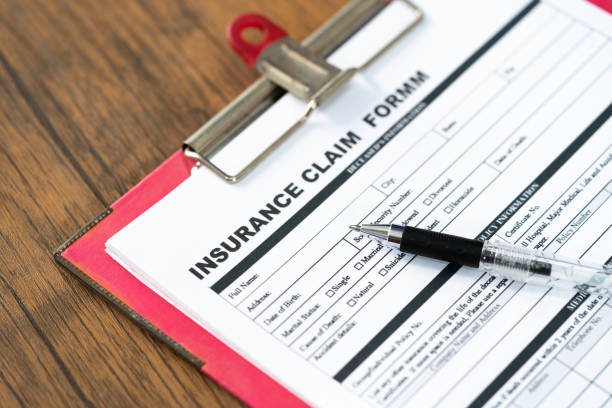

When something goes wrong—a car accident, a slip on your property, a business dispute—your first instinct might be to handle it quietly. You might want to assess the damage, talk to the other person, or just hope the problem fades away. This is a critical mistake. Your single most important action after an incident that could lead to a liability claim is to pick up the phone and notify your insurance company. Delay is your enemy, and here is exactly why.
An insurance policy is a contract, and like any contract, it has rules you must follow. Front and center in every liability policy is the requirement to report incidents “promptly” or “as soon as practicable.“ This is not a suggestion; it is a condition of your coverage. Failing to do so gives the insurance company a legitimate reason to deny your claim, leaving you personally on the hook for all legal fees, settlement costs, and court judgments. They can and will use a late report to walk away from the mess, arguing you violated the agreement first.
Beyond the contractual duty, immediate notification is practical self-defense. Early reporting allows your insurer to start an investigation while facts are fresh. Witnesses are easier to find, their memories are clearer, and physical evidence is still available. This head start is invaluable for building a strong defense or for accurately assessing the value of a claim against you. Waiting weeks or months allows the other side to build their case unchallenged, putting you at a severe disadvantage.
Furthermore, insurance companies are in the business of managing risk and controlling costs. A small, reported incident can often be resolved quickly and with minimal expense—perhaps with a simple letter or a modest settlement. What starts as a minor complaint can snowball into a major lawsuit if left to fester. Your insurer has experienced adjusters and attorneys who can step in early to manage communications, prevent you from making damaging statements, and work towards a resolution before lawyers get deeply involved. By notifying them, you activate this professional support system.
Many people hesitate, fearing their rates will go up. While a claim can affect your premiums, a denied claim due to late reporting will devastate your finances. You will face the full financial burden alone. Others worry about reporting “frivolous” claims. It is not your job to decide if a claim is valid. Your job is to report any incident that could reasonably lead to a claim. Let the insurance professionals make the determination on its merit. When in doubt, report.
The process is straightforward. Call your agent or the insurer’s claims number. Give them the basic facts: what happened, when, where, and who is involved. Do not speculate, admit fault, or give a detailed recorded statement without understanding the process. Simply fulfill your duty to report. Follow up in writing if requested. This simple, immediate action preserves your rights, fulfills your contractual duty, and gives you the best chance of navigating the situation without personal financial ruin. Time is not on your side; make the call.