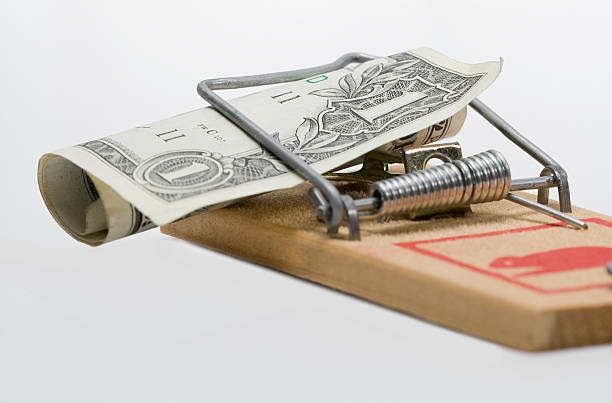

If you are injured in an accident, the insurance company for the other driver will likely call you within days. They will sound friendly and concerned. They will offer you money fast, sometimes within a week or two. That check might look like a gift. It is not. It is a trap. Accepting a settlement before your body has healed is the single biggest mistake you can make in a personal injury claim. You cannot undo that mistake once you cash the check.
Insurance adjusters know that most people are scared of medical bills and lost wages. They count on that fear. They also know that your injuries might be more serious than they appear on day one. Whiplash often feels like a stiff neck for the first week. Then it turns into chronic pain that lasts years. A back strain can mask a herniated disc that only shows up on an MRI three months later. Concussion symptoms can take weeks to fully develop. If you settle early, you accept the risk that your injury will get worse. You sign away your right to claim anything for future medical treatment, lost income, or pain and suffering related to that injury.
The legal term for the point when your condition stabilizes is maximum medical improvement, or MMI. It means that your doctor has determined that further treatment will not significantly change your condition. You are either as healed as you will ever be, or you have a permanent impairment that will not improve. Until you reach that point, no one can accurately put a fair dollar figure on your claim.
Think about it this way. Suppose you get a settlement offer of ten thousand dollars two weeks after a car crash. You are desperate for rent money, so you take it. Six months later, you find out you need back surgery that costs fifty thousand dollars. You also cannot work for a year. The insurance company will laugh at your request for more money. You signed a release. You are on your own. That ten thousand dollars is gone, and you are stuck with the rest.
Doctors cannot give you a reliable long-term prognosis immediately after an accident. Soft tissue injuries heal at different rates for different people. Some people recover fully in a few weeks. Others develop nerve damage, chronic headaches, or arthritis later. Even if you think you feel fine, your body might be hiding damage. Adrenaline and shock mask pain for days. You might not feel the worst of it until you try to resume normal activities. That is why every experienced personal injury attorney will tell you the same thing: do not settle until your doctor says you have reached MMI.
The insurance company has no incentive to wait. Their goal is to close your claim as cheaply and quickly as possible. They will pressure you with deadlines and threats of taking the offer off the table. They might tell you that your medical records show nothing wrong, even when you are still in pain. They might say that if you wait, the statute of limitations will run out. None of this is true. You have years to file a lawsuit in most states. The adjuster is bluffing.
Waiting until MMI does not mean you cannot ask for money sooner. You can request advance payments for lost wages or medical bills without settling the whole case. Some states allow this. You can also file a claim and still negotiate later. The key is to never sign a final release until the long-term picture is clear.
There is also a practical reason to wait. The full extent of your damages can take months to uncover. You may have missed work. You may need ongoing physical therapy. You might have permanent scarring or disfigurement. You might not be able to do your old job. All of these losses can be calculated once you know your final condition. Before that, any settlement is a wild guess that benefits the insurer, not you.
If an adjuster pressures you to settle quickly, recognize that as a red flag. A fair settlement offer is one that covers all your medical costs, past and future, plus your lost income, plus compensation for pain and suffering. No adjuster can calculate future costs accurately when your condition is still changing. So a quick offer is almost always a lowball offer dressed up in friendly words.
You do not need a lawyer to wait until MMI. You can do that yourself. But if you are confused or overwhelmed, a lawyer can help you understand when that point has arrived. They can also help you value your claim properly. The cost of a lawyer is a percentage of the settlement. That is often worth it to avoid the disaster of settling too soon.
The bottom line is simple. Your body heals on its own schedule. The insurance company’s schedule is about profit, not your recovery. Do not let a fast offer trick you into giving up your rights. Wait until your doctor tells you that you have reached maximum medical improvement. Only then can you know what your claim is really worth. Any offer before that is not a fair offer. It is a gamble with your own future.