
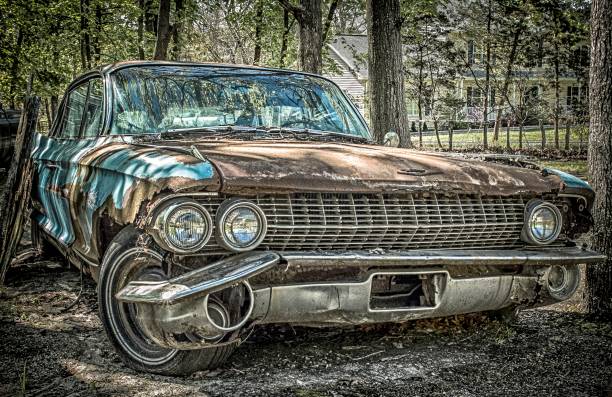
When the insurance adjuster declares your car a total loss, you face a significant decision that goes beyond simply accepting a check. The question of whether you can keep your totaled vehicle is one many policyholders ask, often motivated by sentimental attachment, the perceived value of parts, or a belief they can repair it themselves. The short answer is yes, in most cases, you can choose to retain the salvage, but this path is fraught with financial, legal, and safety risks that require careful consideration.
The process begins with the insurance company’s declaration of a total loss, which occurs when the estimated cost of repairs exceeds a certain percentage of the car’s actual cash value, typically between 70% and 75%. At this juncture, the insurer will offer you a settlement amount based on that pre-accident value, minus your deductible. If you wish to keep the car, you must inform the company of your intent to retain the salvage. The insurer will then deduct the vehicle’s estimated salvage value from your settlement payout. Essentially, you are buying back the wreck from the insurance company for this reduced amount, and they will transfer the title to a salvage or rebuilt brand.
This leads to the first and most profound risk: the compromised safety and structural integrity of the vehicle. A totaled car has sustained severe damage that may have compromised its crumple zones, frame alignment, or airbag systems. Even with professional repairs, the vehicle may never perform as intended in a subsequent collision. DIY repairs amplify this danger exponentially, as untrained individuals may lack the expertise and equipment to properly restore critical safety features. You are not just investing in repairs; you are potentially gambling with your safety and that of your passengers.
The financial pitfalls are equally daunting. The initial settlement minus the salvage buyback often leaves you with insufficient funds to complete proper repairs. What seems like a simple fix can unveil hidden damage once work begins, leading to cost overruns. Furthermore, you now own a vehicle with a salvaged title. This dramatically reduces its resale value and marketability. Most traditional lenders will not finance a salvage-title car, and many reputable dealerships will not accept them as trade-ins. You also may struggle to find an insurer willing to provide full comprehensive and collision coverage, often limiting you to liability-only policies. This leaves you financially exposed if another incident occurs.
Legally, navigating the path to returning your car to the road is a bureaucratic hurdle. After purchase and repair, you must pass a rigorous rebuilt vehicle inspection conducted by your state’s Department of Motor Vehicles or a similar agency. This process requires detailed documentation of all parts used and repairs made, and the car must meet strict safety standards. Failing this inspection can leave you with an inoperable asset and sunk costs. Additionally, you have a legal obligation to disclose the salvage brand to any future buyer; failure to do so could result in lawsuits for fraud.
Ultimately, the decision to keep a totaled vehicle is a calculated risk best suited for specific circumstances. It may be a reasonable choice for a skilled mechanic with access to cheap parts who needs a secondary vehicle, or for an owner whose car holds irreplaceable sentimental value, understanding it may never again be a primary mode of transport. For the average driver seeking reliable, safe, and financially sound transportation, accepting the total loss settlement and parting with the vehicle is almost always the more prudent course. The temporary benefit of keeping a familiar car is overwhelmingly offset by the long-term liabilities of safety concerns, financial loss, and legal complications.