If you run a retail store, restaurant, or any business that invites the public onto your property, you accept a legal duty to keep those premises reasonably safe. When a customer gets hurt on your watch, that injury can turn into a liability claim that costs you thousands or even millions of dollars. Understanding how these claims work is not optional. It is a core part of running a business. The law does not give you a free pass just because you did not mean for someone to fall, trip, or get hurt. You are responsible for what you could have prevented.
The foundation of a customer injury claim is the concept of a duty of care. As a business owner, you owe every person who lawfully enters your property a duty to maintain safe conditions. This is not about being perfect. It is about doing what a reasonable business would do in the same situation. If a reasonable grocery store manager would clean up a spill within five minutes, and you leave it for an hour, you have breached that duty. If a customer slips on that spill and breaks a hip, you are likely going to be held liable.
Courts look at three main questions when deciding a customer injury case. First, did you owe the injured person a duty? Yes, almost always if they were a customer. Second, did you breach that duty? This means you either created a dangerous condition, knew about it and did nothing, or should have known about it through regular inspections. Third, did that breach directly cause the injury? The customer must prove that the specific unsafe condition you failed to address is what actually made them fall or get hurt.
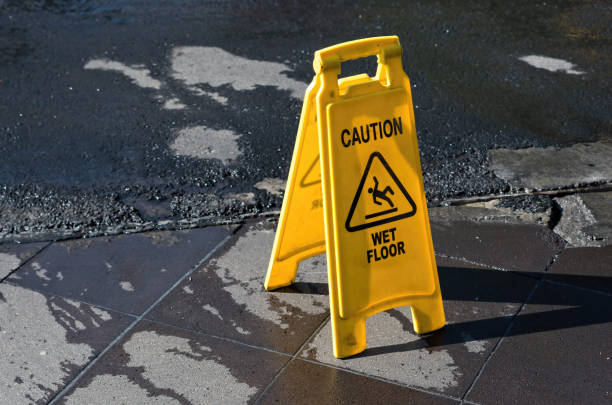
Common examples of dangerous conditions include wet floors without warning signs, loose rugs or mats, uneven pavement in parking lots, broken steps or railings, poor lighting in hallways or stairwells, and merchandise stacked in walkways. These are not just annoyances. They are documented hazards that have generated countless lawsuits. A simple bucket catching a roof leak in the aisle might seem harmless until a customer trips over it and fractures a wrist. At that point, a jury will ask why that bucket was not moved or why the leak was not fixed.
Your defense against a customer injury claim often centers on the customer’s own actions. In many states, if the customer was not paying attention, was running, or was wearing shoes that made slipping more likely, their own negligence can reduce or eliminate your liability. This is called comparative fault. If the jury finds you were 20 percent responsible and the customer was 80 percent responsible, you pay only 20 percent of the damages. But do not count on this to save you. If the hazard was obvious and you did nothing about it, a jury may still assign significant blame to your business.
Beyond injury claims, businesses also face liability for property damage. A customer’s car hit by a falling sign from your storefront, a delivery driver’s truck damaged by a pothole in your lot, or merchandise ruined by a leaky roof in your storage area can all lead to claims. The same duty of care applies. You must inspect your property regularly and fix conditions that could harm customer property. A warning sign does not always protect you if the hazard is one you could have easily repaired.
Defamation claims are a different animal but still fall under general business liability. If you or an employee makes a false statement that harms a customer’s reputation—accusing someone of theft without proof, for example—you can be sued for defamation. Truth is a full defense, but if you are wrong, you pay. Retail stores often face these claims when they wrongly detain or publicly accuse shoppers of shoplifting. Even if you have a policy, you still need solid evidence before you make an accusation.
The key takeaway is that liability does not wait for intent. You do not have to mean to hurt someone to be on the hook. All it takes is a failure to act reasonably. That means regular inspections, immediate cleanup of spills, proper lighting, secure fixtures, and training for every employee on what to do when they spot a hazard. Document those inspections. Keep repair records. If a claim does come, you want to show you were doing your job, not ignoring the problem.
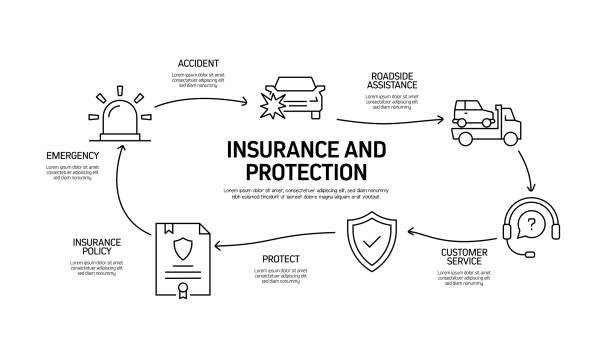
Insurance is your safety net, but it is not a substitute for prevention. A single customer injury lawsuit can exceed your policy limits, especially if the injury is severe and leads to long-term medical costs or lost wages. And even if insurance pays, your premiums will spike, and your reputation can take a hit. No business wants to be known as the place where people get hurt.
So be direct about your responsibility. Inspect your property. Fix hazards promptly. Warn customers about temporary dangers. Train your staff. And understand that when a customer walks through your door, their safety is partly in your hands. That is not legalese. That is the law.