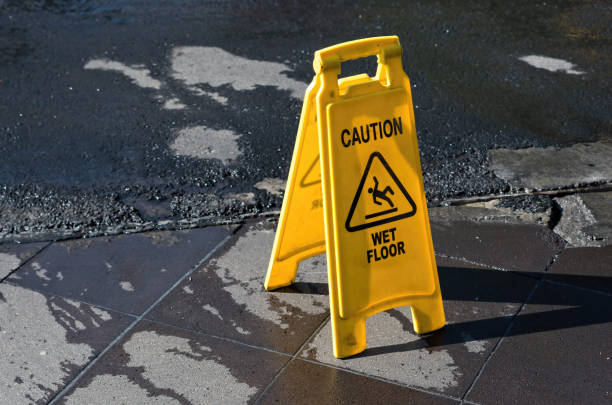
When you slip and fall on someone else’s property, one of the first things you or your attorney will look for is whether a wet floor sign was present. This simple yellow triangle or A-frame placard can make or break your liability claim. Insurance adjusters, judges, and juries treat these signs as evidence that the property owner either did or did not take reasonable steps to warn you about a danger. Understanding how wet floor signs affect your case will help you know what evidence to gather and what arguments to expect from the other side.
A wet floor sign is not a magic shield for property owners. Putting out a sign does not automatically protect them from being sued, and failing to put one out does not automatically make them liable. The real question is whether the sign was sufficient to alert a reasonable person to a hazard that the owner knew about or should have known about. Courts look at the specific circumstances. If a store employee just mopped a small area near the entrance and placed a bright yellow sign directly over the wet spot, that is generally considered adequate warning. But if the mopping covered a large area, the sign was placed off to the side, or the floor was wet from a leaking pipe that had been dripping for hours, a single sign might not cut it.
Timing matters a lot. If a spill happens and the owner puts out a sign within seconds, that shows they acted promptly. If the spill occurred thirty minutes ago and no one noticed or bothered to place a sign, that delay can be used against them. Property owners have a duty to inspect their premises regularly and correct hazards in a reasonable time. A wet floor that stays wet without any warning is a clear failure of that duty. However, if the owner can prove they had a routine inspection schedule and the spill happened just minutes before you fell, they might escape liability.
Another factor is the type of flooring and lighting. Shiny tile floors in a dimly lit hallway can make a wet patch almost invisible. In that situation, a sign is essential. On a bright, sunny day on a rough concrete patio, a small puddle might be obvious. A sign could still be required if the puddle is in a high-traffic area where people are looking at merchandise or their phones. The law expects owners to account for how people actually behave, not how they should behave.
If you were injured in a slip and fall and there was no wet floor sign, that is a strong point in your favor. But do not assume it settles the case automatically. The owner might argue that the floor was not actually wet, that you should have seen the hazard yourself, or that you were not paying attention. These are common defenses. Your job is to show that a reasonable person in your shoes would not have noticed the danger without a warning. Photos taken immediately after the fall are critical. If your phone or a bystander’s phone captured the wet area and the absence of a sign, you have powerful evidence.
What if a sign was present but you still fell? That is tougher but not hopeless. The sign may have been knocked over, placed in a misleading spot, or too small to see. If the sign was behind a display rack or pointed away from the direction you were walking, it might not count as reasonable warning. Also, some signs say “Caution: Wet Floor” but the actual wet area extends far beyond where the sign sits. If you were walking in an area where no sign alerted you to a wet patch around the corner, the owner may still be liable.
Businesses often argue that signs are a standard practice and that their mere presence fulfills their legal duty. That argument works only if the signs are properly deployed. In many slip and fall cases, the real issue is not whether one sign was out, but whether the overall warning system was adequate. For example, a grocery store with multiple aisles might need several signs after mopping, not just one at the front.
Document everything about the sign’s location, size, wording, and condition. Note whether it was the classic yellow triangle with black lettering or a smaller, less noticeable type. Check if the sign was weighted down or easily tipped. If the sign was dirty, faded, or cracked, that suggests the owner did not maintain their safety equipment. All these details matter when negotiating a settlement or presenting your case in court.
Finally, remember that the duty to warn is only one part of a slip and fall claim. You also have to prove that your injuries were caused by the fall and that you were not acting recklessly yourself. But the presence or absence of a wet floor sign often determines whether the case gets past the initial stages. Insurance companies know that juries react strongly to missing signs. They see them as proof of negligence. If your fall happened where a sign should have been and there was none, you have leverage. If a sign was present and properly placed, you may need to find other evidence of negligence, such as the floor being excessively slippery due to the wrong cleaning product.
In short, never ignore the wet floor sign. It tells a story about how seriously the property owner took their responsibility for your safety. If that story matches your version of events, your claim stands a good chance. If it does not, you will need to dig deeper into the facts to show that the warning was not enough.