When a vehicle collision occurs, the resulting property damage—whether to cars, fences, mailboxes, or other structures—creates an immediate and pressing question: who is financially responsible? Liability in these incidents is not automatically assigned to one driver or the other; rather, it is a legal determination based on the concept of negligence. Fundamentally, the party who is found to be at fault, or liable, for causing the accident through their careless actions is responsible for compensating others for the damage incurred. This process involves investigating the facts, applying traffic laws, and often negotiating with insurance companies to reach a settlement.
The cornerstone of liability is establishing negligence. To be considered negligent, a driver must have breached a duty of care owed to others on the road. All drivers have a duty to operate their vehicles in a reasonably safe manner, adhering to traffic laws and exercising caution. A breach occurs when a driver fails to uphold this duty through a specific action or inaction. Common examples include running a red light, failing to yield the right-of-way, following too closely, distracted driving, speeding, or driving under the influence. If this breach directly causes a collision that results in property damage, the negligent driver is typically liable. For instance, if a driver is texting and rear-ends another car at a stoplight, their negligence in being distracted directly caused the damage to both vehicles, establishing their liability.
However, situations are not always clear-cut. In many collisions, both drivers may share some degree of fault. Most jurisdictions follow a comparative negligence system. Under this framework, liability and the resulting financial responsibility are apportioned based on the percentage of fault assigned to each party. If one driver is found 70% at fault for speeding and the other is 30% at fault for making an unsafe lane change, the first driver would be responsible for 70% of the other party’s repair costs, and vice versa. In some states with a “modified” comparative rule, a driver who is more than 50% or 51% at fault may be barred from collecting any damages themselves. This system aims to create a fair distribution of liability based on the actual conduct of each party involved.
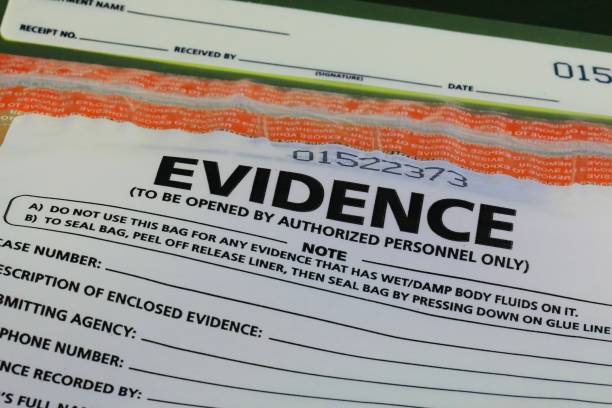
Determining these percentages is the critical task after an accident. Evidence is paramount. Police reports provide an official account, often including the officer’s opinion on violations and contributing factors. Photographs of vehicle positions, damage, skid marks, and road conditions are invaluable. Witness statements can offer independent perspectives, while traffic camera or dashcam footage can provide definitive evidence of how events unfolded. This collection of evidence helps insurance adjusters, and potentially courts, reconstruct the accident to assign fault. In some cases, such as a classic rear-end collision, there may be a presumption of fault against the driver who struck the vehicle in front, though even this can be rebutted with evidence of sudden, unpredictable braking or other mitigating factors.
Ultimately, liability for property damage in vehicle collisions is a financial obligation that falls on the at-fault party and is typically managed through auto insurance. State laws require drivers to carry property damage liability coverage precisely for this purpose. When a driver is found liable, their insurance company is contractually obligated to pay for the damaged property of the other party, up to the policy limits. If the at-fault driver is uninsured or underinsured, the victim may need to rely on their own insurance coverage or pursue a personal lawsuit to recover costs. Therefore, while the legal principle of negligence dictates who is liable, it is the practical interplay of evidence, insurance policies, and state laws that resolves the question and ensures that those who suffer property damage are justly compensated.