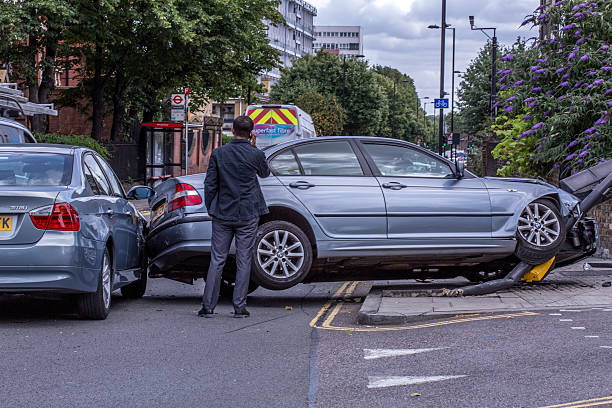
When your car is declared a total loss after an accident, it means the insurance company has decided that repairing it would cost more than the vehicle is worth. This is a straightforward financial calculation, not a judgment on your car’s sentimental value. Handling this situation requires clear steps to ensure you receive a fair settlement and properly transfer ownership.
The process begins with the insurance adjuster’s assessment. They will calculate your car’s Actual Cash Value (ACV) immediately before the accident. This is not the price you paid, the amount you owe on a loan, or the cost to replace it with a new model. The ACV is the fair market value of a used vehicle of similar make, model, year, condition, and mileage in your geographic area. You should independently verify this number using sources like Kelley Blue Book or local classified listings. If the offer seems low, present your evidence. Negotiation is expected and often necessary.
You must understand the critical difference between the ACV and your potential loan balance. If you owe $15,000 on a car valued at $12,000, the insurance company pays only the $12,000 ACV. You are still responsible for the remaining $3,000 gap unless you have purchased separate Guaranteed Asset Protection (GAP) insurance. This is a common and difficult financial reality for many owners.
Once you agree on a settlement figure, you will be paid the ACV minus your deductible. The insurance company then takes ownership of the vehicle’s title. This step is non-negotiable. You cannot keep the car and also receive the full total loss settlement. The company will typically sell the salvage to a scrap yard or rebuilder to recoup some costs.
However, you may have the option to retain the salvage. This means you accept a reduced settlement payment—the ACV minus the car’s estimated salvage value—and keep the wrecked vehicle. This is a serious decision. You become responsible for towing and storage fees, and if you wish to repair and re-register the car, it will require a costly “salvage” or “rebuilt” title and rigorous safety inspections. This path is often more trouble and expense than it is worth for the average owner.
Throughout this process, maintain a paper trail. Get all valuation reports, settlement offers, and agreements in writing. Do not sign a release or cash a check until you are satisfied the amount is fair and you understand all terms. Remember, the insurance adjuster works for the company. Their goal is to settle your claim for the lowest legitimate amount. Your goal is to receive the full value of your asset. These interests are in direct conflict. Being informed, prepared to push back with evidence, and understanding the mechanics of a total loss are your best tools for a fair outcome.