
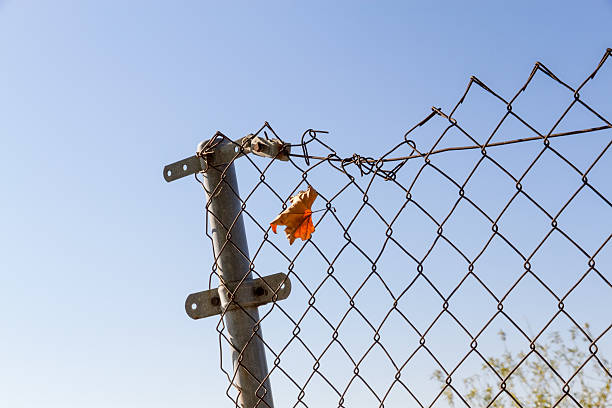
A hit-and-run driver smashes through your fence and disappears. You are left with splintered wood, twisted metal, and a gaping hole where your property boundary used to be. The driver is gone, likely with no license plate or identifiable information. Your first instinct might be rage, but you need to shift into action mode immediately because the clock is ticking on your ability to recover compensation.
The first thing you do is secure the scene. Do not touch anything. Do not move debris. Do not let your kids or pets near the damaged area. Take photographs from every angle. Capture the tire tracks in your yard, the point of impact on the fence, and any debris left behind by the vehicle. Photograph the surrounding area. If there are skid marks on the street, photograph those too. These images will serve as critical evidence for your insurance company and for law enforcement.
Next, call the police. Even if the driver is gone, you need an official police report. A hit-and-run is a crime, and the police will document the incident. Give them all the details you can remember. Did you hear the crash? Did you see the vehicle? What color, make, model? Any part of the license plate? The police report becomes your primary legal document. Without it, your insurance company may treat the damage as a mysterious occurrence rather than a hit-and-run, which can affect your coverage.
Now, assess your insurance policy. You are dealing with a property damage claim, not a personal injury claim. Your homeowner’s insurance policy typically covers damage to structures on your property, including fences, sheds, and detached garages. But there is a catch. Many standard homeowner policies cover hit-and-run damage under the “vandalism” or “malicious mischief” clause, provided the vehicle was not owned by you or a household member. However, if the damage was caused by a moving vehicle, some policies classify this as an auto accident, which may fall under your auto insurance policy’s uninsured motorist property damage coverage instead. Check your policy language carefully. If you have comprehensive coverage on your auto policy, that sometimes covers damage to structures if the vehicle that hit them was uninsured or unknown. The confusion here is real, so call your insurance agent or claims adjuster and ask point blank: “Does my policy cover damage to my fence from a hit-and-run driver who was not identified?”
Do not assume anything. Some homeowners policies have a specific exclusion for damage caused by vehicles. If that is the case, you will need to rely on your auto insurance. Uninsured motorist property damage coverage is an optional add-on in many states. If you have it, it will pay for repairs to your fence, up to your policy limit, minus your deductible. If you do not have that coverage, you are likely paying out of pocket unless the driver is eventually caught and you sue them.
If the driver fled, finding them is a long shot. But do not give up. Talk to your neighbors. Ask if they have security cameras. Check your own doorbell or outdoor cameras. Post on neighborhood social media groups. Someone may have seen the vehicle or the driver fleeing. If you gather any identifying information, give it to the police. If the driver is caught, they are legally liable for the damage. You can then file a claim against their insurance or sue them in small claims court if the damage is under the court’s limit.
While you wait for insurance to process your claim, you need to protect your property. A damaged fence is an invitation for trespassers, animals, and further damage. Board up the opening temporarily. Use plywood, stakes, or whatever you can find. Keep the receipts for any materials you buy. Your insurance may reimburse you for reasonable temporary repairs. Do not start permanent repairs until an insurance adjuster inspects the damage. If you rebuild before they see it, they may deny your claim because they cannot verify the extent of the damage.
Be prepared for a deductible. Most home and auto policies have deductibles ranging from $250 to $1,000. You pay that out of pocket. If the repair cost is close to your deductible, it may not be worth filing a claim. A claim on your record can increase your premium for years. Run the numbers. If the fence repair is $1,500 and your deductible is $1,000, you are only getting $500 from insurance. That might not be worth the risk of a rate hike. If the repair is $5,000, filing makes sense.
One more thing: watch for hidden damage. A vehicle hitting a fence can loosen fence posts, crack concrete footings, or damage underground utilities like gas lines or sprinkler systems. Inspect the entire fence line. If you suspect underground damage, call your utility company to check for leaks. That damage may be covered under your homeowners policy, but only if you report it promptly.
Finally, keep all documentation. Save the police report number. Keep copies of your photos, receipts for temporary repairs, and correspondence with your insurance company. If the driver is caught later, you can pursue a claim against them directly. The key is to act fast, document everything, and understand exactly what your insurance covers before you commit to any repairs. A hit-and-run is infuriating, but taking these steps ensures you get what you are owed and minimizes the financial hit.