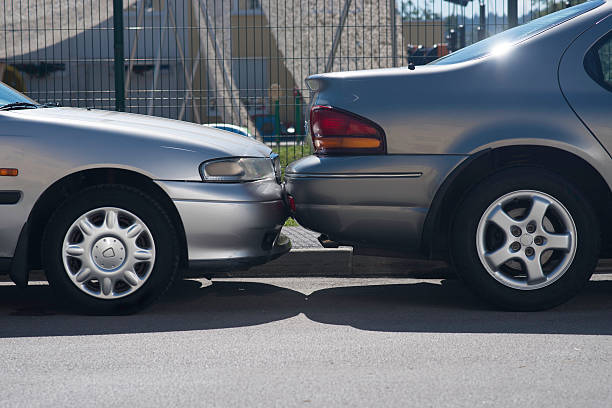

When a driver crashes into your house, fence, mailbox, or garage and then flees the scene, you are left with property damage and confusion. The driver is gone, and you have no insurance information. You need a clear, practical plan for dealing with your own insurance company. This is not a time for guesswork. The steps you take in the first 24 to 48 hours can determine whether your claim gets paid quickly or gets delayed for months.
First, do not touch anything until you call the police. Even a small dent in your siding or a cracked window is evidence. The police report creates an official record of the hit-and-run. Without it, your insurance company may question whether the damage actually happened from a hit-and-run or from something else, like a falling tree branch or a vandal with a baseball bat. Tell the dispatcher exactly what happened: a vehicle struck your property, the driver left, and you need an officer to document the scene. Get the police report number and ask how to obtain a copy. Some departments allow you to download it online; others require a written request. Keep that report in a safe place because your insurer will ask for it.
Next, document every square inch of the damage. Take photographs from multiple angles. Show the tire marks on your lawn, the broken fence post, the dent in your brick wall, and any debris left behind like pieces of a headlight, paint transfer, or broken plastic. Measure the height of the damage from the ground. If the vehicle left a trail of fluid, photograph that too. This evidence helps your insurance adjuster determine the point of impact and the likely size and type of vehicle, which matters if the police ever find the driver.
Now call your homeowners insurance company. Do not wait. Many policies have a deadline for reporting property damage—often 30 days, but sooner is always better. When you report the claim, provide the police report number, your documentation, and a clear description of what happened. The adjuster will want to know: was the vehicle still there when you discovered the damage? Did you see the driver? Do you have any witnesses or security camera footage? Be honest. If you have video from a doorbell camera or a neighbor’s security system, mention it immediately. That footage can be the difference between a quick settlement and a drawn-out investigation.
Understand your coverage. Standard homeowners policies cover damage to your house and other structures (like fences, sheds, detached garages) caused by a vehicle. This falls under “vandalism” or “accidental damage,” depending on the policy language. But you will almost certainly have to pay your deductible first. Deductibles for homeowners claims are typically $1,000 or more. If the damage is minor, say a cracked mailbox or a small dent in your vinyl siding, it may not be worth filing a claim at all. Do the math yourself. If the repair cost is only slightly above your deductible, the long-term cost of filing a claim—possible premium increases—might outweigh the payout. Ask your agent what the impact on your premium would be before you decide to file.
Some states have a separate coverage called uninsured motorist property damage, or UMPD, which is typically part of your auto policy, not your homeowners policy. This coverage pays for damage to your vehicle or other property caused by an uninsured or hit-and-run driver. But not every state offers UMPD for property other than your car, and even where it exists, it often has a lower limit and its own deductible. Check both your auto and homeowners policies. If you have UMPD coverage that applies to your home, you might avoid using your homeowners deductible. That can save you money. But the rules are different in every state. Do not assume—read your declarations page or call your insurance company.
Once the adjuster inspects the damage, they will give you a repair estimate. You do not have to use their preferred contractor. You have the right to choose your own repair person. But if you go with a cheaper estimate, your insurer may still only pay the lower amount. If you get a higher estimate, you can negotiate by providing the adjuster with photos and written justification for the additional cost.
If the damage is severe—for example, a car crashed through your living room wall—your claim may be complicated by structural issues, temporary relocation costs, and code upgrades. Your policy likely covers additional living expenses if your house is uninhabitable. Keep receipts for hotels, meals, and other costs. Submit them promptly. The adjuster will want to see that you are not inflating expenses.
Finally, know that you have a limited time to file a lawsuit if you ever sue the hit-and-run driver. The statute of limitations for property damage varies by state, typically two to six years. But if the driver is never found, you are left with your own insurance. In that case, the time limit to file a claim under your policy is usually spelled out in the policy itself—often one year from the date of loss. Miss that deadline, and you get nothing.
Do not let this situation drag on. Hit-and-run property claims are straightforward if you act fast, document everything, and understand your deductibles and coverage limits. The insurance company is not your enemy, but it is also not on your side. It is a business. Treat the process like a business transaction: clear, timely, and with all the facts laid out. That is the shortest path to getting your property fixed and moving on.