Determining who is at fault in a car crash is the central question that dictates who pays for damages and injuries. It is not about blame in a personal sense, but about legal responsibility, or liability. The process is a practical reconstruction of events to identify which driver failed to exercise reasonable care under the circumstances. The core principle is negligence: a driver is at fault if their careless action, or failure to act, directly caused the collision.
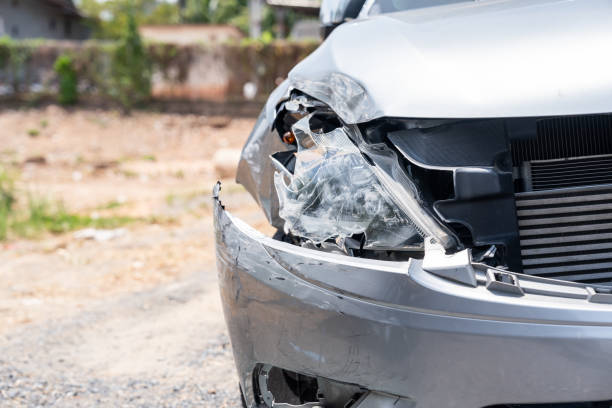
The investigation begins at the scene. Police officers document their observations in an official report, which often includes a preliminary opinion on fault based on traffic law violations like running a red light or speeding. This report is a key piece of evidence. Physical evidence is equally critical. This includes the final positions of the vehicles, skid marks, vehicle damage patterns, and debris scattered across the road. This evidence tells a story that can contradict driver statements. For example, the specific point of impact on the cars can indicate which vehicle was crossing into another’s lane.
Witness statements provide independent accounts from people who saw the crash unfold. Unlike those involved, witnesses typically have no personal stake in the outcome, making their observations valuable for corroborating or challenging the drivers’ versions of events. In today’s world, digital evidence has become commonplace. Traffic camera footage, private security camera video, and dashcam recordings provide unambiguous, time-stamped visual records of the moments before, during, and after a collision. This evidence can be decisive.
The laws governing road behavior, known as traffic statutes, establish clear rules of the road. A violation of one of these laws, such as following too closely or making an illegal turn, is strong evidence of negligence. This is often called “negligence per se.“ In some states, the concept of comparative negligence applies. This means fault can be shared. If you are found to be 20% at fault for the crash because you were speeding, and the other driver is 80% at fault for running a stop sign, your financial recovery for damages would be reduced by your percentage of fault. In other states, if you are found to be even 1% at fault, you may be barred from recovering anything.
Insurance companies conduct their own parallel investigations. Adjusters review all the gathered evidence—the police report, photos, witness statements, and vehicle damage—to make their liability determination. Their goal is to protect their insured client and minimize the payout. It is important to remember that an insurance company’s initial fault assessment is not a final legal judgment; it is a negotiating position.
Ultimately, if the drivers and their insurers cannot agree on fault, the final determination may be made by a judge or jury in a courtroom. They will weigh all the evidence presented to decide which party was more likely negligent and to what degree. The entire process, from the scene to a possible trial, is a methodical effort to piece together an objective narrative from subjective accounts and physical facts, ensuring the party responsible for causing the crash bears the financial responsibility.