If a dog bites you and the owner takes off before you can get their name or address, you have a hit-and-run situation with an animal. This is not the same as a stray dog attack. A stray has no known owner, so there is no one to sue and no insurance policy to pay your medical bills or lost wages. But a hit-and-run dog bite means the owner exists, you just do not know who they are. Your ability to recover money for your injuries depends entirely on finding that person.
First, do not let shock or pain distract you from collecting immediate evidence. The moment the bite happens and you realize the owner is leaving or has already left, your brain needs to switch into evidence-gathering mode. Look for anything that ties the animal to a specific location or person. If the dog ran out of a particular house, note the address. If it was being walked by someone who then fled, get a description of that person: height, build, clothing, hair color, distinctive features like tattoos or a limp. Write it down on your phone or any scrap of paper before you forget. Memory fades fast, especially when adrenaline is pumping.
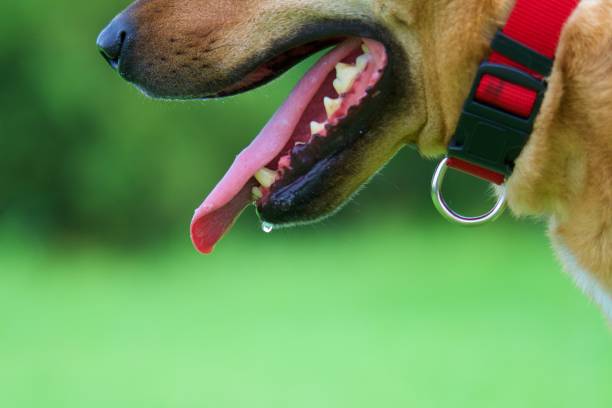
Next, the dog itself is a walking piece of identification. Breeds matter less than unique markings, collars, tags, leashes, or any gear the animal was wearing. A collar with a name tag or rabies tag is gold. Even if the owner is gone, that tag often has a vet clinic name or a license number that can be traced. If the dog is still present but the owner bolted, do not try to contain the animal yourself. You risk a second bite or causing the dog to run off. Instead, call animal control immediately and give them your location and a description of the dog. Animal control officers will impound the animal, scan for a microchip, and check local registration records. If a microchip is found, the owner’s contact information is in a national database. That is your direct line to filing a claim.
Security cameras are your next best friend. In the minutes after the bite, look around for any residential doorbell cameras, business surveillance cameras, or traffic cameras that might have captured the incident or the fleeing owner. Ask neighbors if they saw anything. Record the times you think the bite occurred. Police and your lawyer can request footage, but the sooner you document the location, the better. Footage can show the owner’s face, vehicle license plate, or the dog itself.
Speaking of vehicles, if the owner drove away, get the make, model, color, and license plate number of the car. Even a partial plate can help. Many hit-and-run dog bites involve owners who panic and drive off after their dog bites someone. That vehicle information gives law enforcement a strong lead. File a police report for the hit-and-run incident, not just for the bite. The police have the resources to run plates, check databases, and interview witnesses.
Medical treatment is critical, but do not let it delay your evidence-gathering. If you are alone, call 911 first if the bite is severe. If you are with someone, send them to gather information while you deal with the wound. Once at the hospital, tell the doctor exactly what happened, including that the owner fled. Medical records that document the incident as a dog bite with an unknown owner will be important later when you file a claim with your own insurance or consider legal action.
You might be wondering if you can still recover money if the owner is never found. That is the harsh reality: without an identified owner, you have no defendant. Your only potential source of compensation would be your own health insurance or, in some states, uninsured motorist coverage if you were struck by a vehicle during the incident. But for a pure dog bite where no car was involved, finding the owner is everything. Do not assume the owner is untraceable because they ran. People are sloppy. They use credit cards at nearby stores, their dog is registered in a local database, or a neighbor knows their name. Keep pushing.
If you eventually identify the owner, your next step is to file a claim against their homeowner’s or renter’s insurance policy. Most dog bite claims are paid by liability insurance, not by the owner’s personal savings. That is why tracking down the owner—even if they seem broke—is still worth it. Insurance exists for exactly this situation. Do not let a hit-and-run dog bite owner slip away because you gave up too soon. Be systematic, be persistent, and use every public record and witness available. The owner’s flight does not erase their liability. It just makes you work harder to collect.