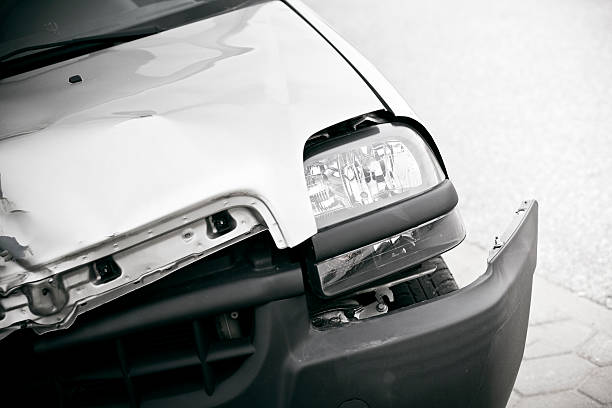

A rear-end collision is one of the most common car accidents on the road. If you rear-end another driver, the law almost always considers you at fault. That means you are legally responsible for the damage you caused. This is a liability claim. And the way most people pay for that damage is through their auto insurance policy. Understanding how your insurance handles this type of claim will save you surprises and bad decisions.
When you rear-end someone, the other driver will file a claim against your insurance. Your liability coverage pays for their medical bills, lost wages, and the repairs to their vehicle. It also covers things like towing, rental cars while their car is in the shop, and even pain and suffering if the case goes that far. Your insurer then investigates the accident, negotiates with the other driver or their lawyer, and either settles the claim or defends you in court.
The key number here is your liability limit. This is the maximum amount your insurance will pay. It is usually written as two numbers, like $50,000 per person and $100,000 per accident for bodily injury, and a separate number for property damage, often $25,000. If the other driver’s total costs exceed your limit, you are personally on the hook for the difference. That is a huge risk. A single rear-end collision with injuries can easily run tens of thousands of dollars in medical expenses. If your limits are too low, you could lose savings, future wages, or even assets like your home.
Your insurance company does not automatically write a check the moment a claim is filed. They first verify that you were insured at the time of the crash and that the accident is covered. They will ask for a description of events, photos, and police reports. If the other driver claims you were speeding or distracted, your insurer will look for evidence to confirm or deny fault. In most rear-end cases, the rear driver is presumed negligent because you should always maintain a safe following distance. But there are exceptions. If the other driver suddenly slammed on brakes for no reason, or if their brake lights were broken, your insurer might argue that they contributed to the accident. This is called comparative negligence. If the other driver is found even partly at fault, your insurance pays less.
Once fault is established, your insurance adjuster will estimate the cost. They get repair estimates from body shops, review medical records, and calculate lost income. They then make a settlement offer to the other party. If the offer is accepted, the claim is closed. If it is rejected, your insurer will either negotiate a higher number or prepare for a lawsuit. Most claims settle out of court because lawsuits are expensive for everyone. But if a lawsuit happens, your insurance must provide you with a lawyer. You do not choose the lawyer, but the lawyer is paid by your insurer. This is part of the service you bought with your premium.
A common misunderstanding is that your own insurance pays for your car repairs in a rear-end accident. That is not true under a standard liability-only policy. Liability insurance pays for damage you cause to others, not to yourself. To cover your own car, you need collision coverage. Collision is optional. If you only have liability, you pay for your own repairs out of pocket. That can be a rude awakening after a rear-end crash that was your fault.
Another reality is that more than one person can be hurt in the car you rear-ended. If there are three people in the other vehicle, each of them can file a claim against your policy. Your per-person limit applies to each individual. So if you have $50,000 per person, you have up to $50,000 for each injured person. But your per-accident limit caps the total. If the per-accident limit is $100,000 and three people each need $60,000, you are short $80,000. That gap comes out of your pocket.
Your insurance premiums will almost certainly go up after a rear-end liability claim. How much depends on your company, your driving record, and the severity of the damage. Some insurers forgive one accident, but many do not. You can expect a rate increase for three to five years. Sometimes the increase is more than the cost of the claim itself. That is why it is smart to consider paying for small damages yourself if legally possible. But if the other driver is injured, a small payment is rarely an option.
One more important point: if you fail to report the accident to your insurance immediately, you can lose coverage. Most policies require you to notify them within a reasonable time, often within days. If you try to handle the claim on your own and then later ask your insurer to step in, they may deny the claim because you did not give them the chance to investigate. That turns a covered liability into a personal financial disaster.
In the end, a rear-end collision liability claim is straightforward: you are at fault, so your insurance pays for the other side’s losses. The system works well when you have adequate limits, cooperate fully with your insurer, and understand that your own car is not covered unless you bought collision. The best protection is to carry high liability limits and to keep a safe following distance every single time you drive.