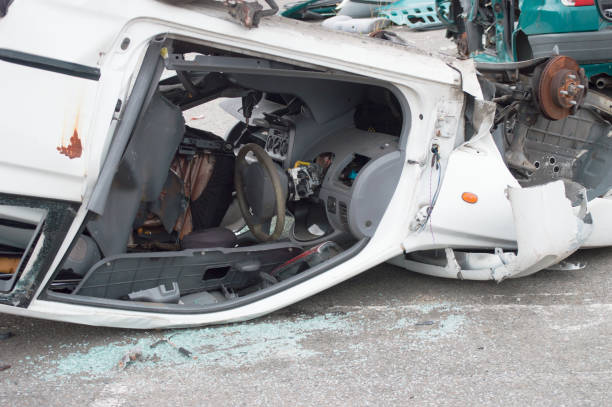
You have just been in a car accident. Your heart is pounding. You check yourself and your passengers – everyone seems okay. The other driver steps out of their vehicle, and you both reach for your phones. You exchange names, phone numbers, insurance company names, and policy numbers. You snap a few photos of the damage. You think you have done everything right. But you have probably just made a costly mistake. You stopped at the other driver. You forgot about everyone else.
Exchange information with the driver of the other vehicle is only the starting line, not the finish. The people sitting in both cars – passengers, backseat riders, children, friends – and the people standing nearby who saw what happened are all parties to the incident. Their information matters just as much as the driver’s. And if you fail to collect it, you could be handing your insurance company a reason to deny your claim or reduce your payout.
Why do passengers matter? Because they are independent witnesses. The other driver will tell their version of events to their insurance adjuster. You will tell yours. The adjuster wants corroboration. A passenger who was in your car can back up your story. A passenger in the other car might contradict their own driver. That contradiction can be the difference between a quick settlement and a drawn-out dispute. If the other driver suddenly claims you ran a red light, and you have a passenger who says you had a green, that passenger’s statement is gold. But if you never got their name or contact information, you cannot call them. You cannot subpoena them. You are stuck with a he-said-she-said fight, and the adjuster will likely split liability – meaning you get half your damages, or less.
Witnesses are even more critical. Bystanders who saw the collision have no dog in the fight. They are neutral. Their testimony carries heavy weight with insurance companies, police, and juries. But witnesses disappear fast. They are not obligated to stick around. They might be in a hurry, they might not want to get involved, or they might think someone else already wrote down their details. If you do not approach them within the first few minutes and ask for their name, phone number, and a brief statement of what they saw, you will likely never find them again. A week later, when the other driver’s lawyer files a claim against you, that witness is gone.
The information you need from every party is the same: full legal name, current phone number, email address, home address, and a short description of where they were and what they observed. For passengers, also note which vehicle they were in. For witnesses, ask if they would be willing to provide a written statement or testify if needed. Get their license plate number if they are in a car – that gives you a way to track them through the DMV if their phone number changes.
Write everything down yourself. Do not rely on the other driver to exchange info with your passengers. Do not assume a witness will give their details to the police. Officers do not always take contact information from every witness, and their reports can take weeks to arrive. By then, memories fade. Get it on paper in real time.
What about the other driver’s insurance details? Yes, get that. But also get the name of the driver’s insurance agent if they have one, and the effective dates on the policy. Ask whether they own the vehicle or are borrowing it. A borrowed car might have different coverage. Ask for the vehicle identification number (VIN) off the registration card, not just the license plate. The plate can be transferred. The VIN stays with the car. All this information belongs in your exchange process, and it applies to any other vehicle involved – including commercial trucks, rental cars, or company vehicles.
Now, a hard truth: you cannot force someone to give you their information. Some people will refuse. Handle that by remaining calm and explaining why it matters. If they still refuse, note their appearance, the type of vehicle, the license plate, and call the police immediately. The police can compel identification. Do not escalate into an argument. Your safety comes first. But if you are in a situation where you can easily collect information, and you choose not to because you think it is unnecessary, you are making a decision that will hurt your claim later.
One more group: the occupants of any vehicle that was involved but did not crash directly – like a car that swerved to avoid you and hit something else. Those drivers are also parties to the incident. They can be sued or can sue. Exchange info with them too.
Finally, remember that the exchange of information is not a one-time event. Write everything down, take pictures of the other driver’s insurance card and driver’s license, and keep that data in a secure place. Share it with your own insurance company as soon as you file your claim. If you wait, you may forget details. And if you never collected the passenger and witness info in the first place, you have no details to forget – just a big hole in your evidence.
The next time you are in an accident, do not focus only on the person holding the keys to the other car. Look around. Who else was there? Get their names. Get their numbers. Every piece of information you collect today is a weapon you can use tomorrow to protect your rights.