You have been in an accident, an altercation, or some other incident where someone might be legally responsible for your injuries or property damage. Your first instinct might be to exchange information and move on. Stop. The single most important thing you can do immediately is call the police and request that they come to the scene to write an official report. That piece of paper—or digital file—will become the backbone of any liability claim you pursue later. Without it, you are fighting with one hand tied behind your back.
An official police report is not just a formality. It is a document created by a neutral third party who has no stake in who wins or loses your claim. That neutrality gives the report serious weight in the eyes of insurance adjusters, lawyers, and judges. The officer who responds to the scene is trained to observe, interview, and record facts as they appear at that moment. They note weather conditions, road markings, visible damage, statements from witnesses, and signs of impairment or violation of laws. All of this information is captured before memories fade, before stories change, and before either side has time to consult an attorney.
Think about what happens if you do not call the police. You and the other party exchange phone numbers and insurance information. You both walk away. Later, that person denies any fault. They claim you caused the incident. They say you were speeding, or you ran a red light, or you started the fight. Now it is your word against theirs. Without a police report, there is no independent record of what happened. You will have to rely on your own memory, photos you might have taken, and any witnesses you can track down. Witnesses are unreliable. People move away, forget details, or simply refuse to get involved. Your phone photos can be challenged as edited or incomplete. A police report, however, is a government document. It carries the authority of law enforcement. Insurance companies and courts treat it as a primary source of truth, not as self-serving evidence.
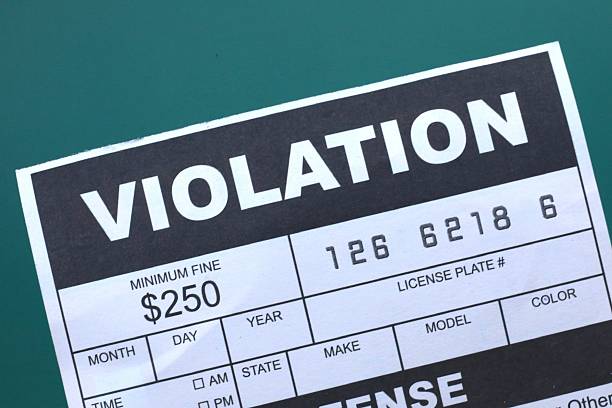
The police report does more than just establish who was at fault. It provides a timeline. It records the exact location, date, and time of the incident. It documents whether any citations were issued. If the other driver received a ticket for running a stop sign, that is a powerful piece of evidence in your favor. Even if no ticket is issued, the officer’s narrative of what they saw and heard can support your version of events. The report also includes a diagram of the scene if one was drawn. That diagram can show skid marks, positions of vehicles, and other physical evidence that supports your claim.
Many people worry that calling the police will complicate things or cause delays. In reality, it speeds up the process. A police report gives the insurance company a clear set of facts to work with. Without it, the adjuster has to spend time investigating, taking statements, and trying to piece together what happened. That delays your claim. And if the adjuster cannot determine fault, they may deny your claim outright. A police report cuts through that uncertainty.
What if the police refuse to come? This happens in minor fender-benders or private property incidents where there are no injuries. Some jurisdictions have policies that officers will not respond to crashes without injuries or blocking traffic. In that case, you must do the next best thing. Go to the police station yourself and file a report. Many departments allow you to fill out a form online or in person. This is not as powerful as an officer-directed report, but it still creates an official record. It shows that you acted in good faith and tried to document the incident immediately.
You should also ask the responding officer for the report number and the case number before they leave. Get the officer’s name and badge number. Request a copy of the report as soon as it is available, usually within a few days to a week. Read it carefully. If you see any factual errors—wrong license plate number, incorrect description of damage, a mistake about who said what—contact the officer or the department to request a correction. Small mistakes can be used against you later.
Remember that the police report is not the final word on fault. It is evidence, not a judgment. But in practice, it often decides the outcome of a liability claim before you ever step into a courtroom. Insurance companies rely on these reports to make quick settlement decisions. If the report clearly states the other party violated a law or was responsible for the incident, your claim will move forward smoothly. If the report is ambiguous or blames you, you will have a much harder fight.
Call the police every time, without exception, when there is any chance that a liability claim could arise. Do not let the other party talk you out of it. Do not let your own discomfort or fear of inconvenience stop you. A few minutes of waiting for an officer can save you thousands of dollars and months of frustration. The official police report is the foundation of your case. Build it early.