
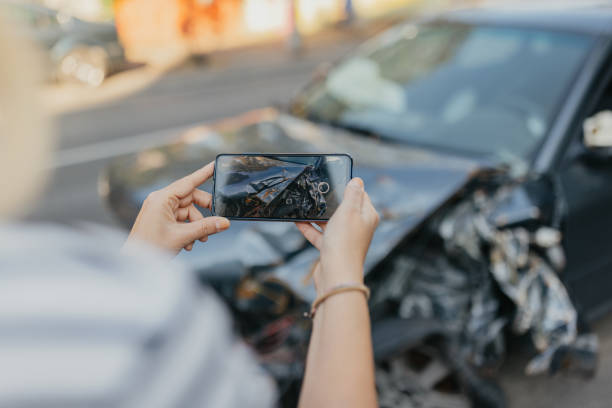
When something goes wrong and you need to prove a liability claim, your word alone is rarely enough. The single most effective tool you can have is clear, objective visual evidence. Photos and videos cut through “he said, she said” arguments and provide an undeniable record of what happened. They are the foundation upon which strong claims are built, and failing to gather them immediately is the most common mistake people make.
Think of visual evidence as the unbiased witness that never forgets. A property owner may claim the broken stair was marked, but your photo showing no warning sign proves otherwise. A driver may say the light was yellow, but your dashcam footage showing it was red establishes fault. This evidence does not lie, get confused, or change its story over time. It captures the scene exactly as it was in the critical moments following an incident. The goal is to document everything that tells the story of what happened and why someone else is responsible.
Your immediate action should be to capture the scene comprehensively. Start with wide-angle shots that establish the overall setting—the entire intersection, the full length of the wet floor, the whole playground equipment. Then, move in for close-up details: the specific defect in the pavement, the model and serial number of the faulty appliance, the lack of a required handrail. Photograph injuries clearly, from the moment they occur through the healing process. If there are witnesses, ask if you can record a brief video on your phone where they state what they saw in their own words. Always include something for scale, like a coin or a ruler, next to defects or damages to show their true size.
Crucially, you must preserve this evidence. Do not delete anything. Save the original, unedited files directly from your camera or phone to a computer and a secure cloud backup. These original files contain digital timestamps and data that can verify their authenticity. If you are using a business or public surveillance camera, formally request that the footage be preserved before it is automatically recorded over. For vehicle accidents, notify your insurance company immediately, as they can often secure traffic camera footage if requested swiftly.
Remember, the clock is always ticking. Conditions change, memories fade, and physical evidence disappears. The wet floor is mopped up, the broken equipment is repaired, and bruises heal. Your priority in the immediate aftermath of any incident is to create a permanent visual record. This evidence provides your lawyer with the powerful, factual leverage needed to negotiate a fair settlement or present a compelling case. In the world of liability claims, a clear picture is not just worth a thousand words—it can be worth a fair and just outcome.