When you are in a car accident and need to figure out who is legally at fault, the police report often feels like the final word. Many drivers assume that whatever the officer wrote down is what the insurance company and the court will use to decide liability. That is not entirely accurate. Police reports are evidence, not verdicts. Understanding what they actually do and do not prove is essential for anyone pursuing a liability claim after a crash.
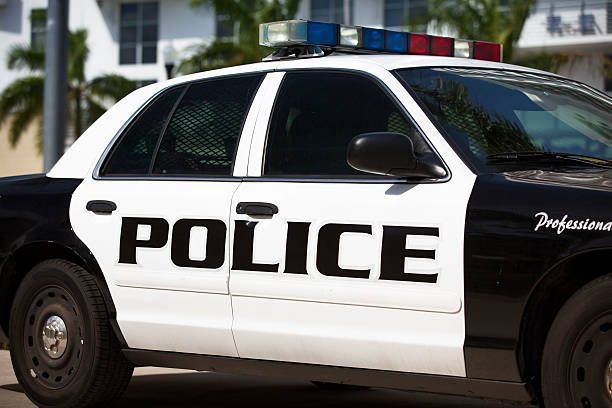
A police officer arrives at the scene and interviews drivers, passengers, and witnesses. They look at skid marks, vehicle damage, and road conditions. They may issue a citation for a traffic violation. All of that information goes into a formal report, sometimes called a crash report or collision report. That document becomes part of the official record of the accident. In many states, the report is filed within a few days with the local department of motor vehicles or law enforcement agency.
From a legal perspective, the police report contains two types of information: factual observations and the officer’s opinion. Factual observations include the location, time, weather conditions, and statements from the parties. The officer’s opinion is a conclusion about fault, often indicated by a citation or a narrative description of what likely happened. That opinion is not binding on an insurance adjuster or a judge. It is simply one person’s assessment made at the scene, often without the benefit of later evidence such as traffic camera footage, black box data from the vehicles, or expert accident reconstruction.
Insurance companies treat police reports as a starting point. They will review the report, but they also conduct their own investigation. If the officer’s conclusion matches the adjuster’s analysis, the report supports that conclusion. If the report conflicts with other evidence, the adjuster may disregard it. For example, if an officer writes that you were speeding based on your own admission, but later a data recorder shows your speed was within the limit, the electronic data will usually override the officer’s narrative. Similarly, if the officer missed a broken traffic light or a hidden obstruction, that oversight can be used to challenge the report’s accuracy.
For liability claims, the police report becomes most important when there is a dispute about the facts. If two drivers tell conflicting stories, the report provides a third-party account. Courts often allow the report itself into evidence, but the officer may also be called to testify. In many jurisdictions, the report is considered a hearsay document, meaning it is an out-of-court statement offered to prove the truth of what it says. Hearsay is generally not admissible unless it falls under a specific exception. The most common exception is the business record exception: police reports created in the ordinary course of an officer’s duties are often allowed in civil cases. However, the officer’s opinions within the report may still be excluded if they are considered expert opinions that were not properly laid out.
What this means for you: If you are pursuing a claim, obtain a copy of the police report as soon as possible. Read it carefully for any inaccuracies. Errors in the report can hurt your case. For instance, if the report says you had a suspended license or that you were not wearing a seatbelt, those statements can be used against you even if they are wrong. You can request a correction from the issuing agency, but this is often a slow process and not always successful. A better approach is to gather your own evidence immediately after the accident: take photos of the scene, get contact information for independent witnesses, and record your own memory of what happened before details fade.
In some states, the law requires that a police report be filed only when there is injury or significant property damage. If there is no report, the burden of proving fault falls entirely on you and your witnesses. That makes your own documentation even more critical.
Ultimately, a police report is a tool, not a judge. It can help settle a claim quickly when it is accurate and favorable. When it is wrong or incomplete, it becomes an obstacle you have to work around. Do not rely solely on the report to prove fault. Treat it as one piece of a larger puzzle. Always consult with an attorney who understands the local rules of evidence and knows how to challenge a report that contains errors. That attorney can also advise you on whether to accept an insurance settlement based on the report or whether to push back with stronger evidence.
Understanding the real weight of a police report saves you from assuming you have already lost or already won a liability claim before the real evidence has even been presented.