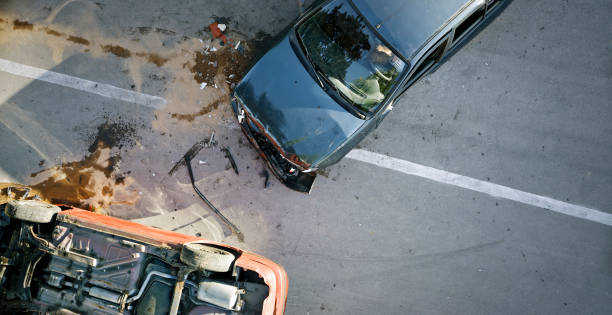
A hit-and-run crash does not always end with a damaged car. Sometimes the fleeing driver plows into a tree, a fence, a mailbox, or a utility pole on your property or your neighbor’s. If that happens, you are stuck with property damage and a driver who is gone. You need to know who pays, what you can do immediately, and how to avoid getting burned by confusing liability rules. This essay covers what to do after a hit-and-run driver damages a tree or fixture on your land—or on land you share with a neighbor.
First, secure the scene. If a tree on your property has been struck, do not try to move the tree or touch the car debris. Take photographs from every angle. Get the license plate if you saw any part of it. Write down the make, model, and color of the car, even if you only caught a glimpse. Call the police. A police report is critical for any insurance claim. Even if the driver is gone, the report documents that a hit-and-run occurred and that the damage came from a vehicle, not from weather or rot.
Next, figure out whose tree or fixture was damaged. This is where most people get tripped up. If the tree sits entirely on your property, you are the owner and you file the claim. If the tree straddles the property line between you and your neighbor, you both own it. That means either of you can claim damages, but the insurance payout may be split. If the tree is on your neighbor’s property but fell onto yours because of the crash, your neighbor owns the tree, but the damage to your yard or house may be your problem depending on your policy. Do not assume the neighbor’s insurance covers anything that happens to your stuff. Check immediately.
Now, who pays for the repair or removal? The answer almost always comes down to your own insurance coverage. In a hit-and-run, the at-fault driver is unknown and usually uninsured. You cannot sue them because you cannot find them. So you rely on your uninsured motorist property damage coverage, often called UMPD. This coverage is optional in some states and required in others. If you have it, UMPD pays for damage to your vehicle and to your property—including trees, fences, and other fixtures—if the hit-and-run driver is identified as uninsured. But here is the catch: many UMPD policies only cover damage to your car, not to real property. You need to read your policy or call your agent to see if “property damage” includes trees and fixtures. If it does not, you might be stuck paying out of pocket.
If the damaged tree or fixture belongs to your neighbor, you are not automatically responsible. The neighbor files a claim against their own homeowner’s insurance or against the hit-and-run driver’s fictitious policy. But since there is no identified driver, the neighbor’s uninsured motorist property damage coverage may apply if they have it. Or they may need to use their homeowners policy’s “vehicle damage” endorsement. Do not offer to pay for the neighbor’s damage unless an attorney tells you it is legally required. Admitting fault can make you liable.
What if the tree or fixture was a public utility pole, street sign, or traffic light? Then the city or utility company owns it. They will likely have their own insurance or self-insurance. They will pursue the hit-and-run driver if they are ever caught, but they may also bill you if the crash happened because you left debris in the road or failed to maintain your property. Stay clear. Let the police handle that.
One more critical point: act fast. Insurance policies have time limits for filing claims—often 30 days for hit-and-run property damage. If you wait, you lose your right to coverage. Also, do not sign any settlement from your insurance company until you know the full extent of the damage. A tree that looks stable may have hidden root damage. A fixture that appears fine may have structural cracks. Get a professional inspection before you accept a check.
Finally, keep every document: police report, photos, estimates from arborists or contractors, and correspondence with your insurer. If you end up in a dispute over liability, hard evidence is your only friend. Hit-and-runs are frustrating because the person who caused the damage escapes accountability. But if you follow these steps, you can protect your own financial interests and avoid turning a bad situation into a financial disaster.