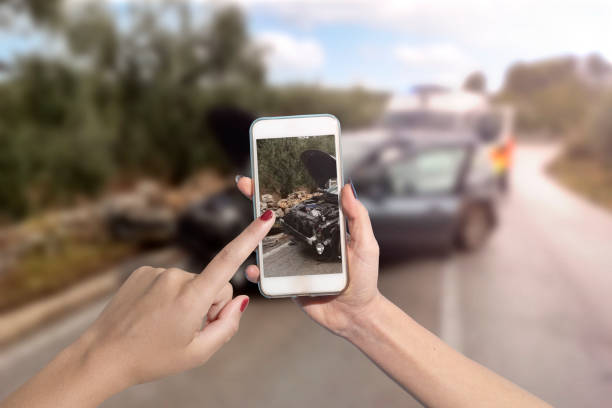
When something goes wrong—a car accident, a slip and fall, an injury on someone’s property—your first instinct might be to talk, to explain, or to process what happened. But before you do anything else, if you are physically able, you need to take out your phone and start taking pictures. Take photos of everything. This is not an overreaction; it is the single most effective step you can take to protect yourself and your potential legal claim. The world moves fast, evidence disappears, and memories fade. Your photos become the unchangeable record of what things looked like in the immediate aftermath.
Think of the scene of an incident as a story that is about to be rewritten. Property owners will repair the broken stair. Rain will wash away the oil spill in the parking lot. The damaged vehicles will be towed away and fixed. The bruise on your leg will heal. What remains are conflicting stories about what was there and what caused your harm. A clear, time-stamped photograph cuts through that noise. It shows the pothole that tripped you, the lack of a warning sign, the position of the cars, the weather conditions, and the exact nature of your visible injuries. It is objective proof that cannot be argued with in the same way a memory can.
Your photos should be thorough and wide-ranging. Start with the big picture. Capture wide shots of the entire area to establish the setting and context. Then move in close. Photograph the specific hazard—the crack in the sidewalk, the torn carpet, the spilled liquid. Get different angles and ensure the lighting shows the detail. If there are any relevant street signs, addresses, or business names, include them. Photograph your injuries from the very first moment and continue to do so as they evolve, showing the bruising, swelling, or cuts over days and weeks. Do not worry about taking too many; it is far better to have a hundred unnecessary photos than to miss the one critical shot.
This action is powerful because it places control in your hands. You are not relying on a property owner or a stranger to honestly report what they saw. You are not hoping a business has good security camera footage that they will willingly hand over. You are creating your own evidence file from the moment the incident occurs. This documentation provides your lawyer with the strongest possible foundation. It allows them to immediately understand the scene and often speeds up the process of holding the responsible party accountable. Insurance companies and opposing parties take a claim much more seriously when it is backed by solid visual proof.
In the chaotic minutes after an incident, pulling out your phone might feel awkward or even trivial. But it is one of the most important non-legal things you can do. Those photos freeze time. They preserve the truth of the scene exactly as it was, providing an undeniable visual account that will speak louder than any words you can say later. So remember: before you discuss, before you blame, before you even fully understand what happened, take photos of everything.