
A hit-and-run driver doesn’t always hit a person or another car. Sometimes they hit your fence. You wake up, walk outside, and find a gaping hole in your wooden fence, tire tracks across your lawn, and scattered pieces of splintered wood. No note. No witnesses. Just damage. You need to act fast, but you also need to stay calm. The steps you take right now determine whether your insurance company pays or you foot the bill yourself. Here is exactly what to do.
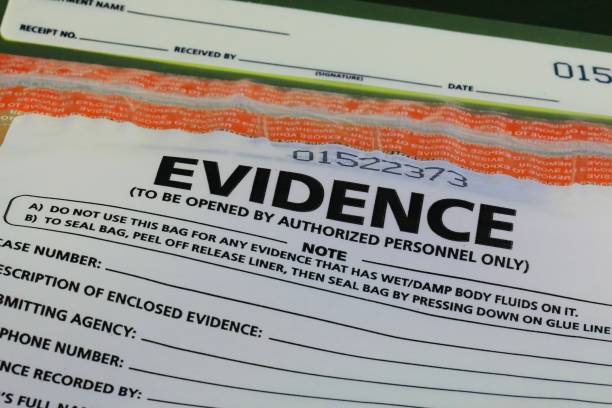
First, secure the scene. Do not touch anything. Do not try to push the fence back into place or sweep up debris. The physical evidence is your best friend. Tire marks tell investigators the type of vehicle and sometimes the direction it went. Broken fence pieces show the angle of impact. Paint transfer from the car’s bumper can even match a specific color and make. If you move things, you destroy that evidence. If the fence is blocking a sidewalk or creating a safety hazard, take photos first, then carefully move only what is necessary to clear a path. Photograph every angle—wide shots of the whole area, close-ups of tire prints, close-ups of any paint chips or metal fragments. Take a photo of your fence as it looked before the damage if you have an old picture. That helps prove the condition.
Next, check for security cameras. Your own doorbell camera, a neighbor’s garage camera, or a traffic camera down the street might have captured the crash. Knock on doors immediately. Time matters. Many security systems overwrite footage after 24 to 48 hours. If you find a camera that might have caught anything, ask the owner to save the clip and get a copy. Do not assume the police will do this for you. They are busy. You are responsible for collecting everything you can. If you see a car in the neighborhood with fresh damage that matches the paint color on your fence, note the license plate, but do not confront the driver. Call the police with that plate number.
Then file a police report. Even if the officer says nothing can be done because no one saw the accident, you need a report number. Insurance companies require a police report for hit-and-run claims. Without one, they may treat the incident as unexplained damage and deny coverage or apply a lower payout. Call the non-emergency line if the accident happened hours ago. If it just happened, call 911. Tell the dispatcher a hit-and-run driver damaged your property. Give them the exact location and a description of any vehicle you saw fleeing. When the officer arrives, give them your photos and any witness names. Get the case number before they leave.
Now, look at your insurance policy. You want the coverage that applies here. Most homeowners insurance policies cover damage to structures on your property, including fences, under the “other structures” section. That coverage usually extends to detached garages, sheds, and fences. The catch is your deductible. If your deductible is one thousand dollars and replacing a few fence sections costs eight hundred, you get nothing from insurance. You are better off paying out of pocket. But if the damage is extensive—a full side of your fence knocked down, cost three thousand—then claim it.
There is a second coverage option: your auto insurance. If you have collision coverage that includes uninsured motorist property damage (UMPD), you can claim the fence damage under your car policy. Why would you do that? Sometimes the homeowners deductible is higher than the auto deductible. Or your homeowners policy might have a lower limit for other structures. Check both policies carefully. Your insurance agent can explain which is better for this specific situation. Do not file a claim on both policies. That is fraud, and it can get your coverage canceled.
Document all costs. Get multiple quotes from contractors to repair or replace the fence. Do not just accept the first number. Insurance companies will pay the “reasonable cost” for repairs, not the inflated price one contractor might charge. Take itemized estimates. If you plan to do the work yourself, calculate material costs plus your time at a reasonable hourly rate. Most insurers will not pay for your labor unless you can prove you lost wages to do the work. Keep receipts for any temporary repair supplies like plywood or stakes. Those are reimbursable if you file a claim.
Expect a fight. Hit-and-run property claims are one of the most disputed types of claims. Adjusters will ask why you did not report it sooner. They will question whether the damage was really caused by a vehicle, not by wind or a falling tree. They might try to argue that the fence was already weak or rotted, reducing the payout for “betterment.” You counter this with your photos. Show the clean break marks. Show the paint transfer. Show the tire tracks. If you have a before photo, use it. If your fence was in good condition, get a written statement from a neighbor or a handyman who worked on it recently.
Time is limited. Most insurance policies require you to report property damage within a reasonable timeframe, often within fourteen to thirty days. The longer you wait, the easier it is for the adjuster to deny the claim as untimely. If you cannot find a contractor to give a quote fast, still file the claim. You can update the amount later. Do not let a busy schedule cost you thousands of dollars.
Finally, protect your property from further damage. If a section of fence is missing, animals and trespassers can enter. Cover the gap with a temporary barrier. Keep the hose or sprinklers away from exposed electrical boxes or utility lines that the fence might have shielded. Your insurance might require you to take reasonable steps to prevent additional damage. If you ignore the broken fence and rain ruins your landscaping, that additional loss may not be covered. Take a photo of your temporary repair too, and save the receipt for the lumber or mesh you bought.
A hit-and-run that damages your fence is frustrating, but it is a solvable problem. Gather evidence immediately. File a timely police report. Compare your homeowners and auto policies. Collect multiple repair quotes. And never assume you are out of options until you have made the call. Many homeowners miss out on legitimate claims simply because they never picked up the phone.