You are sitting in your car, shaken up, a few seconds after the impact. The other driver gets out, looks at their bumper, then gets back in and starts the engine. Or they stand there, arms crossed, and say they are not giving you anything. Your heart rate spikes. This is not a movie. This is real life, and what you do in the next sixty seconds can make or break your claim.
First, understand the law. In every state in the United States, drivers involved in a crash that causes injury, death, or property damage have a legal duty to stop, remain at the scene, and provide their name, address, vehicle registration number, and insurance information. Refusing to exchange information is not just rude. It is illegal. Depending on the state, it can be charged as a misdemeanor or even a felony, especially if someone is hurt. But you cannot count on the other driver caring about the law at that moment. You need to protect yourself.
The single most important thing you can do is stay calm. Adrenaline will tell you to yell, to block their car, to grab their phone out of their hand. Do not do any of that. Aggression escalates. It gives the other driver a reason to leave or to call the police on you. Instead, you want to de-escalate. Speak in a flat, neutral tone. Say something like, “I understand you are upset. We both need to follow the law here. Can we just exchange names and insurance so we can both get on with our day?” Often, a calm request works when a demand fails.
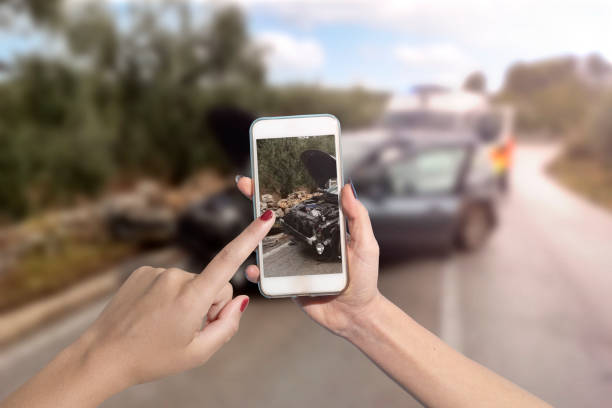
If that does not work, do not physically block their vehicle. In many states, blocking a car can be considered false imprisonment or unlawful detainment, and it puts you in legal danger. Instead, do the following immediately. Pull out your phone and take a picture of their license plate. Also take a picture of the make, model, and color of the car. If they drive away, you now have the single most valuable piece of evidence. Next, look around. Is there a witness? A pedestrian, a person in a nearby store, another driver who stopped? Get that person’s name and phone number. Witnesses are gold when the other side claims it was your fault and refuses to cooperate.
Call the police. Do not leave the scene. Dial 911 or the local non-emergency number. Tell the dispatcher there has been an accident and the other driver is leaving or refusing to give information. Give them the license plate number and a description of the driver. Many police departments have license plate readers and will track down the owner. Even if the other driver leaves before the police arrive, you have started a record. The police report will become a key document in your claim. When the officer arrives, give a complete, factual statement. Do not guess. Do not say “I think they were texting.” Say what you saw and heard. If the other driver returned later or was caught, the officer will handle the exchange of information.
What if the other driver refuses but stays at the scene? They are just being difficult. Again, call the police. The officer will compel them to give their information. Do not try to force it yourself. While you wait, write down everything you remember about the other driver: hair color, clothing, tattoos, accent, anything distinctive. Also write down the exact time and location of the crash. Take photos of the damage to both vehicles. Photograph the scene from multiple angles. This documentation is your backup in case the other driver gives fake information.
There is a special case: a driver who gives you a fake name and insurance card. This happens more often than you think. The insurance card might list a policy number that does not exist. You do not need to be a detective at the scene. Just get a copy of whatever they hand you, take a photo of it, and then after they leave, call your own insurance company. Your uninsured motorist coverage can protect you if the other party is unidentifiable or uninsured. But you must have that license plate number. Without it, your claim becomes significantly harder.
Remember, exchanging information is not optional. It is a legal requirement. If the other driver refuses, you are not powerless. You have a phone, your own memory, and the ability to call law enforcement. Do not let frustration drive you to do something that gets you arrested or injured. Document, stay calm, and call the police. That is the only way to turn a bad situation into a manageable claim.