
If you slip and fall on someone else’s property, you are not automatically entitled to a payout. The legal system looks at fault, foreseeability, and your own behavior before it assigns any dollar amount to your injury. Understanding what makes a slip-and-fall claim valuable—or worthless—keeps you from expecting a windfall when the reality might be a small settlement or nothing at all.
A slip-and-fall claim falls under “premises liability,” which means the property owner had a duty to keep the place reasonably safe. That duty is not unlimited. The owner must fix dangerous conditions they know about or should have known about within a reasonable time. If a store spills soda on the floor and a customer slips ten seconds later, the owner likely had no chance to clean it up. If that same soda stays there for an hour, the owner had notice and failed to act. Notice is the single biggest factor that determines whether you have a case.
Your own actions matter just as much. If you were looking at your phone, running, or wearing shoes with no grip, the defense will argue you were careless. Most states follow a rule called comparative negligence. Under that rule, your compensation is reduced by the percentage of fault assigned to you. If the jury finds you 40 percent responsible for your fall, your award gets cut by 40 percent. In a few states, if you are even 1 percent at fault, you get nothing. Know your state’s rule before you assume you have a strong claim.
The injuries themselves set the floor and ceiling of your claim. Soft-tissue damage like a sprained ankle or bruised knee rarely produces a high settlement because it heals quickly and leaves no permanent mark. Fractures, head trauma, and back injuries that require surgery push the value up. Medical bills are the easiest part to prove—you have hospital records, doctor notes, and imaging results. But you also have lost wages, future medical care, and something called pain and suffering.
Pain and suffering is the trickiest number in any settlement. It is not based on a formula. Insurers and juries look at how the injury changed your life. Did you miss a month of work? Can you no longer play with your kids? Are you in constant pain? The more your daily life is disrupted, the higher the pain-and-suffering amount becomes. A common trick insurers use is to multiply your medical bills by a number—usually between 1.5 and 5—to estimate pain and suffering. That number is arbitrary. Do not let the adjuster force you into that math if your injuries are serious.
Early mistakes can kill your claim. The biggest is not seeking medical attention right away. If you wait three days to see a doctor, the defense will argue your injuries are minor or that you were hurt somewhere else. Get checked the same day, even if you think you are fine. Document everything. Take photos of the hazardous condition—wet floor, cracked pavement, broken handrail—before it is cleaned up or fixed. Get contact information from witnesses. Report the fall to the property manager or store employee and ask for a written incident report. Do not sign anything that releases the owner from liability without talking to a lawyer.
Insurance companies will offer you a quick settlement. They want to close the file cheaply before you understand the full extent of your injuries. Never accept the first offer. Once you sign the release, you cannot ask for more money later, even if your condition gets worse. A concussion might seem fine for a week, then leave you with chronic headaches for years. A herniated disc can take months to show up on an MRI. Give your body time to heal—or not heal—before you settle.
Hiring a lawyer is not always necessary, but it is smart when the injuries are serious or the insurance company is stonewalling you. Most personal injury lawyers work on contingency, meaning they take a percentage of your settlement—usually 33 to 40 percent—and get paid only if you win. That fee seems high, but a good lawyer often gets you more money than you would on your own, even after the fee is subtracted. The lawyer handles the paperwork, negotiates with the adjuster, and prepares for trial if needed. If the case is small—medical bills under a few thousand dollars—you might be better off settling directly.
Statutes of limitation are unforgiving. In most states you have between one and three years from the date of the accident to file a lawsuit. If you miss that deadline, your claim is dead forever. Some states have shorter deadlines for claims against government entities—as little as six months. Know the calendar.
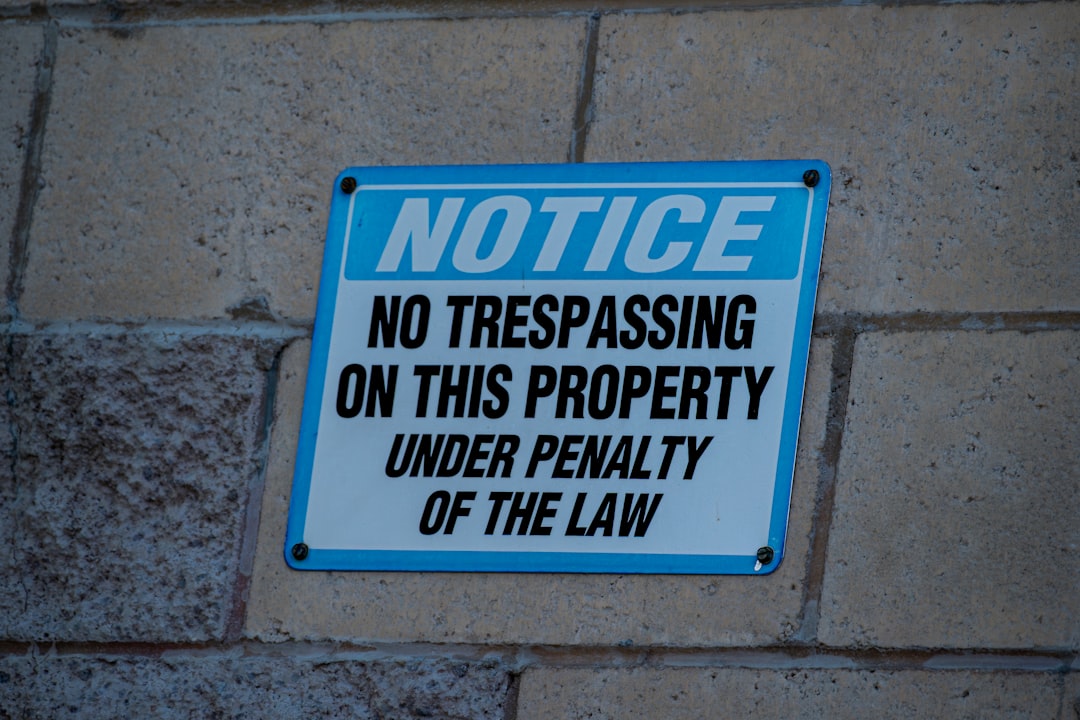
Not every fall is worth pursuing. If you had no serious injury, or if you were clearly trespassing, or if the hazard was open and obvious—like a giant puddle you could have walked around—the legal system will not reward you. Save your time and energy for claims where the property owner was genuinely negligent and you have real damages to show for it.
A slip-and-fall claim is about proof, not sympathy. You win or lose based on what you can document, how quickly you acted, and how much your life was actually disrupted. Keep the focus on those three things, and you will know the real worth of your case.