Property damage liability is a common legal issue that arises when someone’s careless actions cause harm to another person’s belongings. This is not about intentional destruction, but rather about negligence—the failure to act with reasonable care. When this negligence leads to damage, the responsible party can be held legally accountable to pay for the repairs or replacement. The core principle is straightforward: you break it, you fix it, or you compensate the owner for its value.
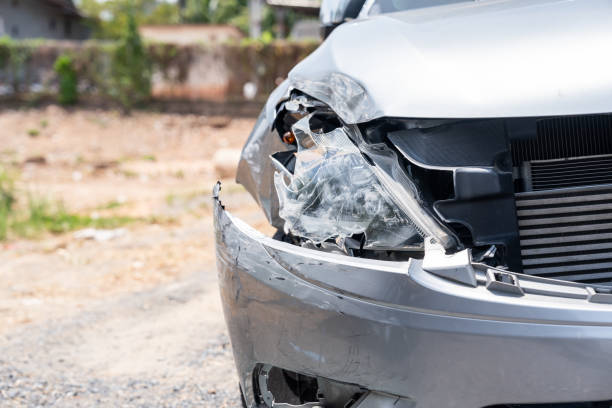
One of the most frequent sources of property damage claims is vehicle collisions. When a driver is at fault in a crash, their liability extends beyond injuries to people; it includes damage to the other vehicle, any other property struck like a fence, mailbox, or storefront. If you run a red light and hit another car, you are negligent. Your insurance, specifically your property damage liability coverage, is designed to pay for the repairs to the other driver’s car. These cases are often clear-cut, with police reports and insurance adjusters determining fault and the cost of damages. The goal is to financially restore the damaged property to its pre-accident condition.
Another major area involves contractor work on homes or businesses. Here, property damage liability often stems from a job done poorly or carelessly. A plumber who incorrectly installs a pipe might cause a major leak, ruining floors and walls. A roofing contractor whose crew drops materials could damage windows, landscaping, or outdoor structures. The negligence lies in the failure to perform the work with the skill and care expected of a professional. In these situations, the property owner can seek compensation from the contractor or their insurance for the cost of fixing not only the original issue but also the additional damage their error caused. Disputes sometimes arise over the quality of work, making detailed contracts and documentation crucial.
Other everyday scenarios also fall under this umbrella. If a homeowner neglects to trim a dead tree limb and it falls on a neighbor’s car, that is negligence. If a store employee carelessly knocks over a display, shattering a customer’s personal item they were holding, the store may be liable. The common thread is a duty to act carefully, a breach of that duty, and direct property damage resulting from that breach.
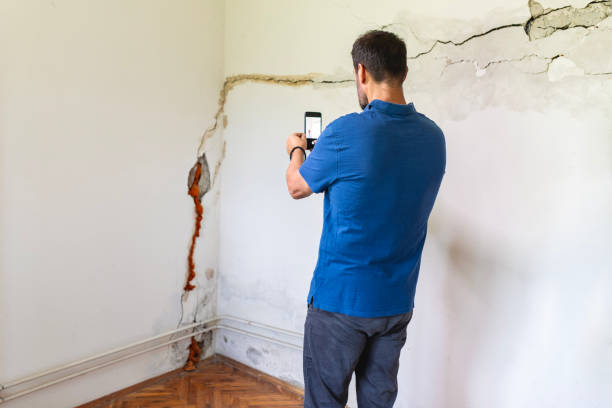
For property owners who have suffered damage, the path involves notifying the at-fault party, documenting the damage thoroughly with photos and repair estimates, and filing a claim with the responsible party’s insurance company. If the insurer denies the claim or offers an unfair settlement, a formal lawsuit may be necessary. The law aims to make the injured party whole again from a financial perspective, placing them in the position they would have been in had the negligence not occurred. Understanding this fundamental concept is key for anyone navigating the aftermath of accidental damage to their possessions.