
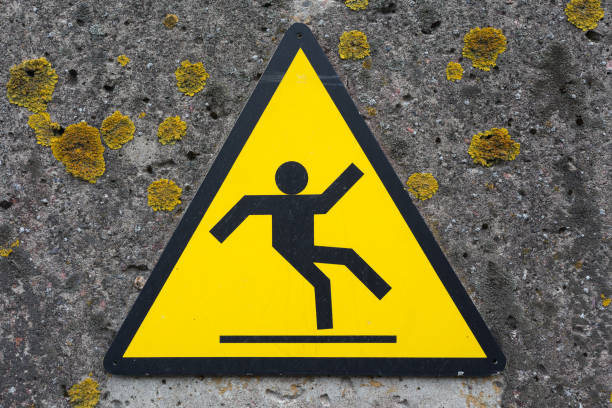
When someone slips, trips, or falls on your property, a simple accident can quickly become a legal issue. The core question is whether you, as the property owner or occupier, are legally responsible for the person’s injuries. This responsibility is known as “premises liability.“ It is not automatic. You are not automatically the insurer for everyone who gets hurt on your land. Instead, the law imposes a duty to keep your property in a reasonably safe condition. Liability hinges on your knowledge of a dangerous condition and your failure to address it within a reasonable time.
The injured person’s status on your property is the starting point for determining your duty of care. There are three main categories. The highest duty is owed to “invitees.“ These are people you invite onto your property for a mutual benefit, like customers in your store, clients in your office, or social guests in your home. For invitees, you must not only warn of hidden dangers you know about, but you also have an active duty to inspect the property for unknown hazards and fix them. A classic slip and fall case involves a customer in a grocery store who falls on a spilled liquid. If the spill was there for a long time and staff should have seen and cleaned it, the store will likely be liable.
The second category is “licensees.“ These are people who enter your property for their own purposes with your permission, but without a direct benefit to you. Common examples include door-to-door salespeople, neighbors cutting across your yard, or friends visiting unannounced. Your duty to licensees is more limited. You must warn them of dangerous conditions you are actually aware of, but you generally have no duty to inspect for their safety. If you know a step on your porch is rotten and a neighbor coming to borrow a tool falls through it, you could be liable for not warning them. However, if a hidden defect caused the fall that you didn’t know about, you likely would not be responsible.
The final category is “trespassers.“ These are people who enter your property without any permission. Your duty to them is minimal. You cannot intentionally set traps or cause them harm, but you generally have no obligation to make your property safe for them or to warn them of dangers. The main exception is for child trespassers if you have something on your property that is likely to attract children, like an unfenced swimming pool or abandoned machinery. This is known as the “attractive nuisance” doctrine. In such cases, you have a duty to take reasonable steps to protect children from the danger, such as putting up a secure fence.
Ultimately, a successful slip and fall claim against a property owner requires proof. The injured person must show that a dangerous condition existed, that you knew or should have known about it, that you failed to fix it or warn about it, and that this failure directly caused their injury. Defenses often focus on arguing the condition was open and obvious, that the person was not paying attention, or that your actions were reasonable under the circumstances. The key takeaway is that property ownership comes with the legal responsibility to be reasonably aware of your property’s condition and to address hazards, especially for those you invite for business or pleasure.