
Photographs and videos can make or break a legal liability claim. They capture conditions, injuries, and events as they actually happened. But a picture is not just a picture. Every digital image and video carries hidden data called metadata. This metadata includes the exact date and time the file was created. In a liability dispute, that timestamp can be the single most important piece of information on the image. If you do not understand how timestamps work, you risk having your best evidence thrown out of court or, worse, used against you.
Cameras and smartphones automatically embed a timestamp into the metadata of every photo and video they take. This timestamp is generated by the device’s internal clock at the moment the shutter is pressed. For legal purposes, that timestamp is a record of when the evidence was captured. The problem is that device clocks are not always accurate. They can drift, be set to the wrong time zone, or be manually changed. If the timestamp on your photo is off by even a few minutes, an opposing lawyer can argue that the image does not actually show the scene at the time of the incident. That doubt can destroy your credibility.
To protect your claim, you must take steps to verify the accuracy of timestamps before you rely on them. The simplest method is to take a photo of a known time source immediately before or after you shoot the scene of the incident. For example, photograph a clock in a public building, a timestamped receipt, or a news ticker on a television. This creates a reference point. If the time on that reference photo matches the timestamp in the metadata, you have evidence that your camera clock was correct at that moment. If it does not match, you can calculate the offset and adjust your testimony accordingly.
Another critical factor is the risk of metadata tampering. Digital files can be edited. Software exists that allows anyone to change the timestamp embedded in a photo or video. Opposing parties may claim that you altered the metadata to make your evidence appear more favorable. To counter this, you need a chain of custody for your digital files. Never delete the original file from your device. Save copies to a secure location, preferably to a cloud service or an external drive that logs when you uploaded the file. If possible, use a dedicated evidence app that records the date, time, and GPS location at capture and locks the metadata to prevent changes. Some apps even generate a hash code unique to each file, which acts as a digital fingerprint. If the file is ever altered, the hash changes, and you can prove tampering.
In a liability claim, the timestamp on a photo can do more than just show when something happened. It can also establish a timeline. For example, imagine a slip-and-fall case in a grocery store. You photograph a wet floor that caused your injury. The timestamp shows the photo was taken at 2:15 PM. The store’s security footage might show that a spill was reported at 2:00 PM but no one cleaned it until 2:30 PM. That ten-minute gap between the spill and the photo, and the fifteen-minute delay until cleanup, becomes powerful evidence that the store was negligent in maintaining a safe environment. Without the timestamp, you would have only your word that the floor was wet at that time.
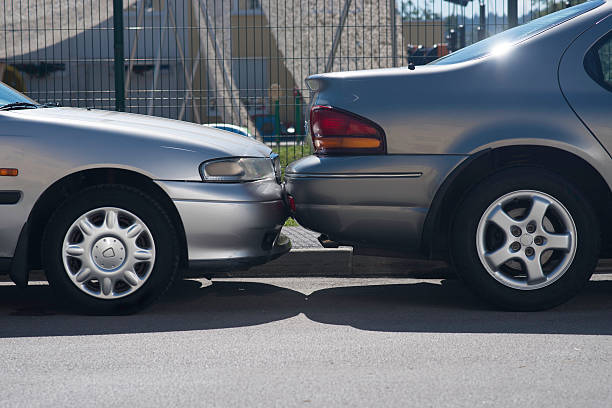
Similarly, in a car accident case, timestamped photos of the vehicles’ positions, road conditions, and debris fields can prove which driver had the right of way or how fast cars were moving. If your photo shows the sun’s angle at a specific time, you can even use it to corroborate testimony about glare or visibility. The timestamp turns a static image into a dynamic piece of evidence that ties directly to the timeline of events.
There is one more trap to avoid: relying on the timestamp that appears on the photo itself rather than the metadata. Many cameras and phones can overlay a date and time stamp directly onto the image when you take it. That visible stamp is not metadata. It is a permanent part of the image and can be more reliable in one sense because it cannot be changed later without obvious photoshopping. But it can also be misleading. If your device clock is wrong, the visible stamp will be wrong, and you will have a permanent record of an incorrect time. Always check the metadata and cross-reference it with a known source.
Finally, do not forget about video metadata. Videos contain timestamps in their file headers just like photos, but they also contain a continuous recording of time within the frames if the camera’s internal clock is displayed on screen. That on-screen timestamp is often the most reliable because it is recorded as part of the video data and is difficult to fake. However, you must still verify that the clock was set correctly. The same rules apply: record a known time source at the beginning or end of your video clip.
In summary, timestamp metadata is not a minor technical detail. It is the backbone of photographic evidence in liability claims. You must verify it, protect it from tampering, and use it to build a credible timeline. If you ignore it, you are handing the other side a weapon to attack your case. If you handle it carefully, you turn your photos and videos from mere pictures into undeniable proof.